
Why the Right Educational Guardian Matters (Not Just Any Guardian)
Welcome to Home From Home Canterbury
Looking for personalised guardianship support in Canterbury? Learn more about our International Student Guardianship Service and how we support students, parents, and schools throughout the academic year.
One of the first questions parents ask me is, "If my child has a difficult day, who will they turn to?"
That question always stays with me, because guardianship is about far more than paperwork. It's about knowing someone genuinely cares.
Choosing an educational guardian isn't simply about meeting a school's requirement. It's about knowing that, when you're thousands of miles away, there is someone nearby who genuinely knows your child, understands the local area, communicates with their school, and notices when something isn't quite right.
At Home From Home Canterbury, I believe guardianship is built on trust, communication and safeguarding. As a qualified therapist and founder of a small, local AEGIS Accredited Guardianship Organisation, my role isn't simply to respond when problems arise. It's to build the kind of relationship where young people feel safe enough to ask for help before those problems become bigger.
This article is written for parents who are somewhere in that decision right now — comparing organisations, reading policies, and trying to work out which one will actually show up when it counts. I want to walk through what guardianship really involves, what a good guardian does differently, and the questions worth asking before you choose.
Understanding the Parent's Worries
Sending a child to study in the UK is one of the biggest decisions a family can make. It means being apart from them during the years they're still growing, still learning who they are, and still need someone close by.
Parents rarely worry about the paperwork. They worry about handing over their child. They worry about the phone call they hope never comes. They worry about who will notice if their child quietly begins to struggle.
Underneath the practical questions — the term dates, the transfers, the school forms — sit the questions that really matter:
Will my child be safe? Will they be lonely, even surrounded by people? Will homesickness pass, or will it take hold? Will someone tell me the truth if things aren't going well? Will my child trust the adults around them enough to ask for help?
That is the emotional truth behind why parents choose guardianship in the first place. It was never really about ticking a box for the school. It's about knowing there is someone dependable, local, and genuinely invested in their child's wellbeing.
There are also worries that are harder to say out loud. A new culture, a different sense of humour, a language that isn't quite theirs yet — these things can make even a confident young person feel briefly unsure of themselves.
Parents often tell me they worry less about the big, dramatic emergencies and more about the smaller, everyday moments: whether their child will ask for help finding a doctor, whether they'll admit they're struggling with a subject, whether they'll say something feels wrong before it becomes something serious. Those are exactly the moments a good guardian is there for.

How Home From Home Canterbury Helps
A guardian's day-to-day role is practical, but it's the consistency behind it that matters most. At Home From Home Canterbury, this includes:
Welfare checks — regular, genuine contact with each student, not just a box-ticking exercise Communication — keeping parents informed clearly and honestly, in good times and difficult ones School liaison — being the point of contact schools can reach quickly, and who understands the context behind a concern Airport transfers — a familiar, reassuring face at the start and end of every journey Emergency support — being contactable and ready to act, day or night, if something goes wrong Homestay support — matching students with the right home environment and staying involved once they're settled Pastoral care — noticing the quieter signs that something might be wrong, long before it becomes a crisis
As a qualified therapist and founder of Home From Home Canterbury, safeguarding, communication and emotional wellbeing have always been central to how I support young people. It isn't something I layer on top of guardianship — it's the foundation the whole service is built on. Every welfare check, every conversation with a school, every homestay placement is made with that training in mind, not just administrative habit.
If you'd like to see how this looks in practice across a whole placement, not just the list above, we've written more in our guide to what international student guardianship actually involves.
"Feeling safe allows young people to flourish."
What Guardianship Looks Like Across a School Year

It helps to picture how guardianship actually unfolds, rather than thinking of it as a single service that switches on in an emergency. At the start of term, that means arranging arrival, making sure a student is settled into their homestay or accommodation, and being the familiar point of contact while everything else is unfamiliar. Through the term itself, it's the steady rhythm of welfare checks and school liaison — quiet, consistent contact rather than occasional check-ins.
Half-terms and exeats bring their own questions: where a student stays, who they spend time with, how they get there and back safely. Holidays raise the same questions on a larger scale, particularly for students who aren't flying home every break. And should anything go wrong — illness, a school closure, a student who's struggling more than usual — that's when the relationship built over the rest of the term matters most, because the guardian isn't a stranger stepping in, they're someone the student already knows and trusts.
Proximity plays a bigger part in this than many families expect. We've written more about why choosing a local guardian in Canterbury makes such a difference to how quickly and easily all of this can happen.
Why Relationships Matter
Guardianship works because of relationships, not systems. A student who trusts their guardian is more likely to speak up early, settle in faster, and feel genuinely at home in a new country.
That trust builds several things a young person needs to thrive while studying away from their family: trust, knowing there's an adult who will listen without judgement; belonging, feeling part of a home rather than simply accommodated in one; routine, the steady rhythm of daily life that helps homesickness ease; independence, room to grow and make decisions with support close by if needed; confidence, the security of knowing someone has their back; and emotional wellbeing, the quiet, ongoing care that catches problems before they grow.
None of this happens by accident. It's built, conversation by conversation, over the course of a school year. In my experience, the students who settle in most happily are rarely the ones who had the fewest difficulties — they're the ones who felt able to talk about the difficulties as they came up, rather than carrying them alone. That's the real measure of whether a guardianship relationship is working, and it's the reason guardianship should never be treated as a purely administrative service.
Questions Every Parent Should Ask
Choosing a guardian is an important decision, and it's one worth asking careful questions about. A good guardianship organisation will welcome every one of these — and answer them clearly, without hesitation:
- Is the organisation AEGIS Accredited?
- How often will my child be seen?
- What happens during emergencies?
- How will I be updated? What safeguarding procedures are followed?
- Why does my child need an educational guardian?
- Is guardianship legally required?
- What happens during school holidays?
- What happens if the boarding school closes unexpectedly?
- Can my child contact their guardian directly?
If you'd like to go further than this list, we've put together a fuller guide on how to vet a UK guardianship provider, covering the specific checks worth making before you commit.
What Parents Often Misunderstand About Guardianship
Many parents understandably see guardianship as something their child's school requires before they can enrol. On paper, it can look like an administrative requirement.
In reality, a good educational guardian becomes the trusted local adult who can respond when life doesn't go to plan. That might mean helping a student who feels overwhelmed, arranging emergency accommodation, liaising with the school, supporting medical appointments, providing reassurance during homesickness, or noticing subtle changes in wellbeing before they become bigger concerns.
For many families, the true value of guardianship only becomes clear when they need it.
Myth vs Reality
Myth: A guardian is simply someone schools require.
Reality: A great guardian becomes a trusted adult who supports both parents and students throughout their time in the UK.
Frequently Asked Questions
Why does my child need an educational guardian?
Many UK boarding schools require international students under 18 to have a UK-based educational guardian as part of their admissions and safeguarding arrangements. Beyond meeting that requirement, a guardian gives your child a trusted local adult who can support them day to day, and step in quickly if something needs attention.
Is guardianship legally required?
Not in the sense of a general UK law. Many UK boarding schools require international students under 18 to have a UK-based educational guardian as part of their admissions and safeguarding arrangements. While this is commonly a school requirement rather than a general legal one, it's an important part of ensuring a child has appropriate support outside school.
What happens if my child becomes ill?
Your guardian is contactable for medical appointments and emergencies, and will keep you informed throughout. For anything serious, we act quickly, liaise with the school, and stay with your child until you're reassured and up to date.
How often will you see my child?
This depends on the individual student's needs and their school's expectations, but regular welfare checks and open lines of communication are built into how we work, not left to chance.
How will you communicate with me?
Clearly and honestly, in whatever way works best for your family (phone, email or video call) and promptly if there's ever anything you need to know.
What happens during school holidays?
We help arrange appropriate accommodation and support for exeats and holiday periods when a student isn't returning home, so there's never a gap in care.
What happens if the boarding school closes unexpectedly?
We step in to arrange emergency accommodation and support, and keep you informed every step of the way until things are settled.
What makes Home From Home Canterbury different?
As a qualified therapist and the founder of a small, local, AEGIS Accredited organisation, I bring safeguarding and emotional wellbeing expertise to every relationship/ This isn't a large, impersonal service, it's a genuinely hands-on one.
What does AEGIS accreditation actually mean?
AEGIS independently inspects guardianship organisations against nationally recognised standards covering safeguarding, student welfare, accommodation, communication and operational procedures. It means we've been assessed by an outside body, not just judged on our own word.
Can my child contact you directly?
Yes. Students are encouraged to reach out whenever they need to. Guardianship only works if young people feel comfortable doing so.
Understanding Guardianship
Why AEGIS Accreditation Matters

Home From Home Canterbury is proud to be an AEGIS Accredited Guardianship Organisation.
AEGIS (The Association for the Education and Guardianship of International Students) independently inspects guardianship organisations against nationally recognised standards, including safeguarding, student welfare, accommodation, communication and operational procedures.
For parents, this means choosing a service that has been independently assessed and meets recognised standards of quality, professionalism and care. You can read more about these standards directly on the AEGIS website, the Boarding Schools' Association, and the Independent Schools Council.

Meet Becky: Your Host and Guardian
Becky, the founder of Home From Home Canterbury, brings a wealth of experience and compassion to her role. With a background in therapy, she has dedicated her career to creating safe and supportive spaces for both adults and young people. Her journey began with a deep passion for helping others, which led her to pursue qualifications in therapy and counseling. Over the years, Becky has honed her skills in providing emotional support and guidance, making her uniquely qualified to run a homestay that prioritizes the well-being of its residents. Her personal experiences and professional expertise blend seamlessly to offer a nurturing environment where students can thrive. Becky's commitment to creating a home-like atmosphere is evident in every interaction, ensuring that each guest feels valued and cared for. Her mission is to make Home From Home Canterbury a place where students not only live but grow and flourish during their time in the UK.
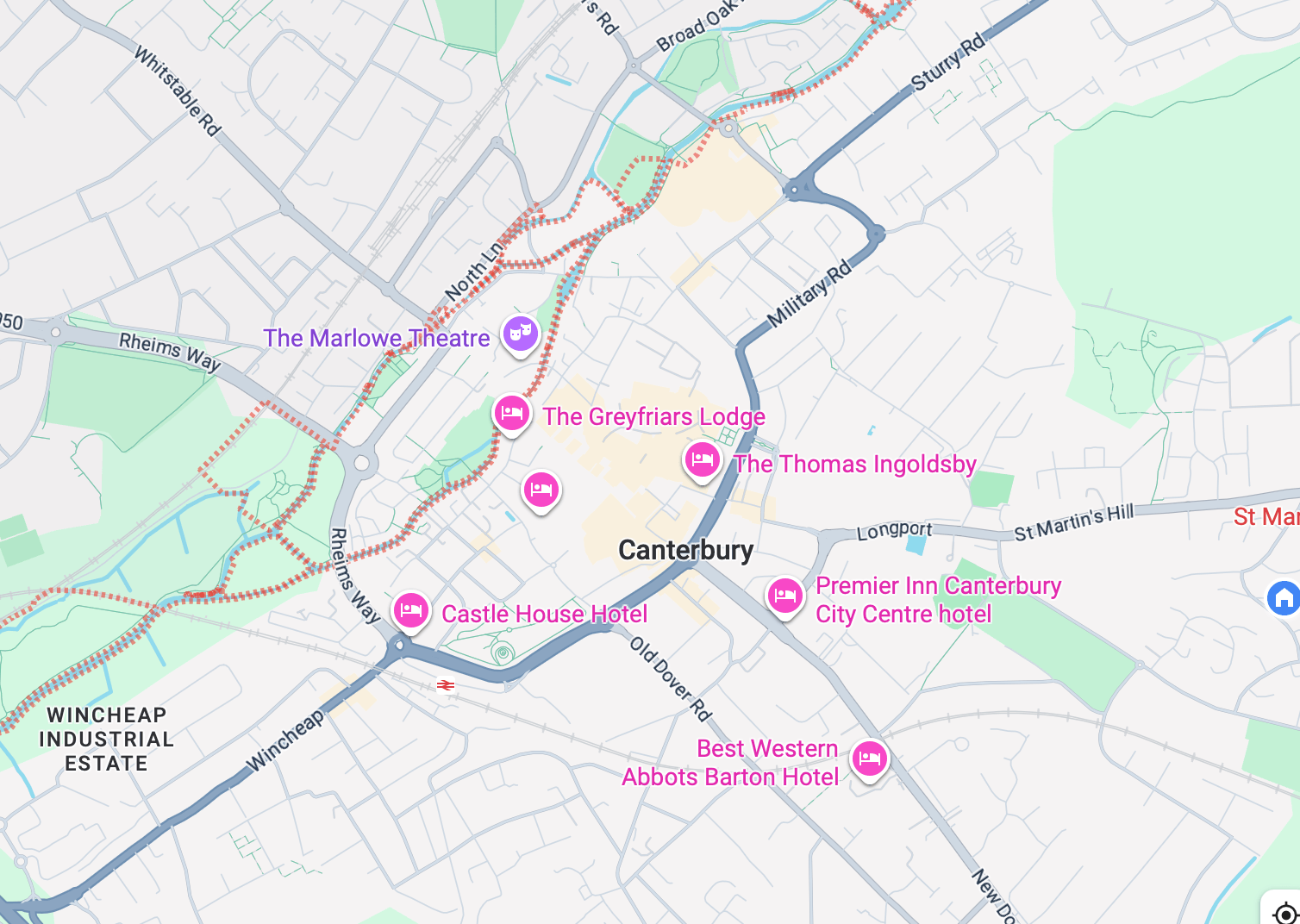
Local, responsive support when students need it most. As a Canterbury-based guardian and host family, I provide personalised care, emergency assistance, school communication and a safe, welcoming home environment for international students and their families.
Discover Our Mission
Home From Home Canterbury provides guardianship and homestay support for international students attending some of Kent’s most respected independent schools, including King’s School Canterbury, St Edmund’s School Canterbury, Kent College Canterbury, Ashford School, Dover College and Dover Priory. Our location offers convenient access to each school, ensuring students benefit from reliable accommodation, pastoral care, emergency support and a trusted local guardian throughout their time in the UK. Whether students require full homestay arrangements, holiday accommodation or ongoing guardianship, we provide a safe, welcoming and supportive home-from-home environment.
Ready to Talk About Your Child’s Stay in Canterbury?
Whether you’re looking for homestay accommodation, guardianship support, or simply want to explore the best options for your child, I’d be happy to help.
Choosing the right support network can make a huge difference to a student’s experience away from home. Book a free discovery call and let’s discuss how Home From Home Canterbury can provide a safe, supportive, and welcoming environment for your child.