

If you're looking at schools in Canterbury for your child, you've probably come across two words that get used almost interchangeably: homestay and guardianship. They're not the same thing, and the difference matters when you're trying to work out who will actually be looking after your child while they're thousands of miles from home.
Most parents searching for a homestay in Canterbury are really asking one question: who are the adults my child will be living with, and can I trust them?
This guide explains what homestay with me looks like, what's included, how I get to know your child before they arrive, and what to look for in any homestay, whichever provider you choose.
Homestay with me in one line
One home, one person, and never more than two students at a time.
Homestay and guardianship are not the same thing
Homestay is where your child lives. They live as part of a family in a private home, rather than in a boarding house or shared student accommodation, with their own room, meals, and a quiet place to study.
Guardianship is about responsibility. A guardian is the adult in the UK who looks after your child's welfare while they're at school here: talking to the school, being the emergency contact, signing permission forms, and stepping in if something goes wrong. Most independent and boarding schools require international students under 18 to have a local guardian.
Many families end up arranging the two separately, without realising they can be the same person. With me, they are. The person your child lives with is also their guardian, so there's no handover between "the people who do the paperwork" and "the people whose house they sleep in". It's one relationship, which makes trust easier to build and makes it easier for me to notice quickly if something isn't right.
If you're still comparing providers, my guide to how to choose an educational guardian sets out seven checks worth making.
Why I keep it small
Before Home From Home Canterbury existed, I spent years working as a counsellor with young people and families, much of it around anxiety, emotional wellbeing and the kinds of transitions that unsettle young people. Again and again, I saw how much difference one steady, trusted adult can make when a young person is away from everything familiar.
Moving to Canterbury for school is exactly that kind of transition, often for the first time and a long way from home. I wanted to build something that took it seriously: not a room to fill, but a real relationship with an adult who understands what settling in involves.
Large agencies often manage many students across many homes. I've deliberately kept Home From Home Canterbury small. With two students at most, every student is known as a person, not a name on a list.
What a day in my home looks like
A typical day looks fairly ordinary, which is rather the point. Students come home after school to a proper home-cooked meal rather than fending for themselves. There's a quiet space for homework, and someone to talk to about their day if they want to, or to leave them be if they don't.
Evenings are like any family evening: television, reading, catching up with friends back home, before the same routine starts again the next day. That consistency, knowing roughly what each day looks like, is often what helps students settle faster than anything else.
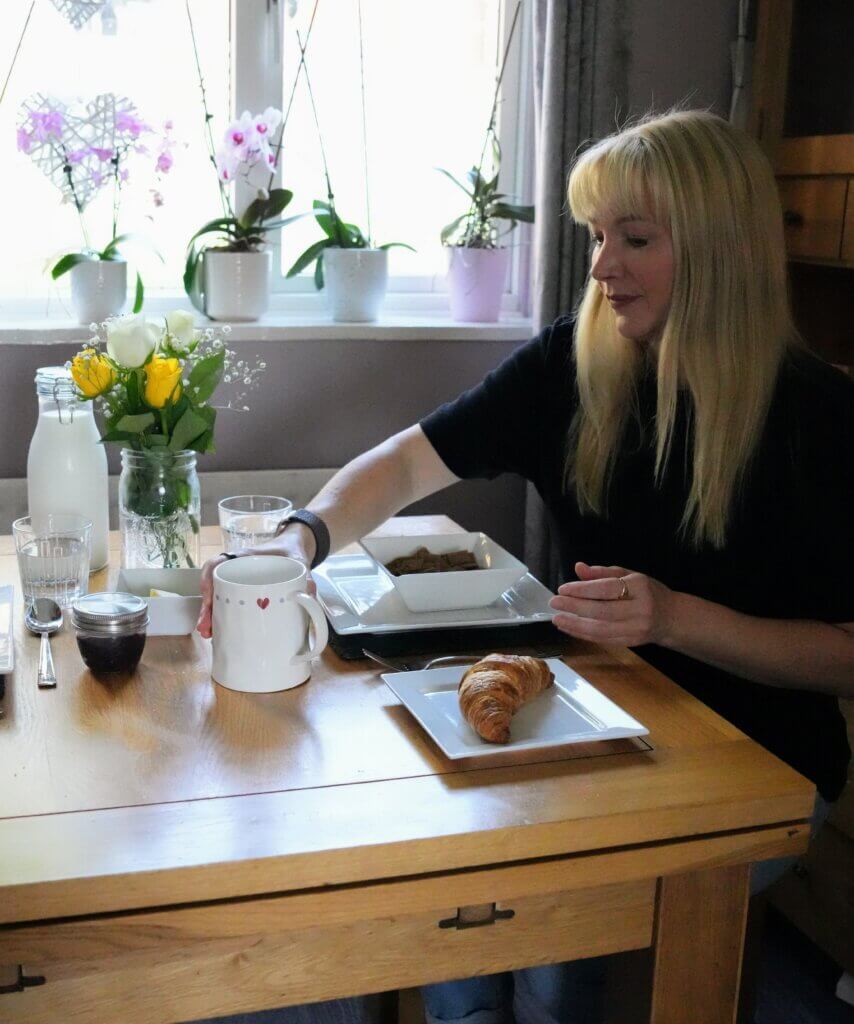
What's included in a stay
Included
- ✓A room of their own
- ✓Breakfast, lunch and dinner
- ✓Drinks and snacks
- ✓Laundry
- ✓Wi-Fi and utilities
- ✓My care and supervision, day and night
- ✓Safeguarding and welfare oversight throughout
Not included
- Takeaways and restaurant meals
- Spending money and personal shopping
- Trips, activities and entertainment
- Specialist dietary products beyond normal family meals
- Airport and rail transfers
Stays are charged per night: £85 for a standard room and £105 for a larger room. There's no seasonal, emergency or short-notice surcharge. You'll find everything set out on my pricing page.
Before your child arrives
Before any student arrives, we have a proper conversation, not a form. What's your child like? Is this their first time away from home? Are they outgoing or quieter? What do they enjoy outside school, and is there anything they're worried about?
Your child is very welcome to join the call too, if they'd feel comfortable. Moving abroad is a big step, and I think it matters that they get a sense of who they'll be living with before anything is decided. There's no pressure to commit.
I also share real photos of the bedroom, study space, meals and the local area, so the house already feels a little familiar before they land.

What a good host family should feel like
Many students arrive looking polite and composed while feeling overwhelmed inside. They may be anxious about fitting in, nervous about their English, exhausted from travelling and trying hard not to show it. That is why the first few minutes matter so much.
When a student arrives, I come outside to meet them, help with their bags and settle them in gently, without overwhelming them. Sometimes what a young person needs most is not lots of conversation, but calm, reassurance and a quiet space to get their bearings.
A good host family gives both warmth and structure. In my home that means:
- ✓Privacy and a room of their own
- ✓Independence that suits their age
- ✓Clear, steady routines and boundaries
- ✓Someone who notices when they have gone quiet, stopped eating well or seem more tired than usual
- ✓Care when they are unwell, from water by the bed to checking on them through the night
Young people don't always say "I'm homesick" or "I'm overwhelmed". Often you notice it first. Read more about what happens if your child is ill at boarding school and homesickness in international students.
Noticing when something isn't right
Students don't always say when they're struggling. Instead, they might:
- ✓Become quieter than usual
- ✓Stop eating properly
- ✓Spend more time alone
- ✓Struggle to sleep
- ✓Seem anxious or overwhelmed
- ✓Find the new routine or culture hard to adjust to
My counselling background means I tend to notice these changes early and check in gently. To be clear, I'm not your child's counsellor while they live with me. If they need professional support, I'll talk to you and the school about getting the right help.
Homesickness isn't a sign that something has gone wrong. It's a normal part of settling in, and I've written more about it in homesickness in international students.
Why AEGIS accreditation matters for homestay
Anyone can offer a spare room and call it a homestay. AEGIS accreditation is different. It's awarded by an independent inspecting body after checking evidence and everyday practice against national safeguarding standards. For parents deciding from overseas, often without the chance to visit, that independent check matters.
As part of my accreditation in June 2026, AEGIS checked:
- ✓A safeguarding and child protection policy that meets government guidance
- ✓An enhanced DBS check before any student stays in my home
- ✓A 24-hour missing student procedure
- ✓Anti-bullying, online safety and behaviour policies
- ✓A formal complaints procedure, including a route to AEGIS
- ✓Professional indemnity and public liability insurance
- ✓Registration with the ICO for data protection
Read more on my AEGIS accreditation page, or the story of how I achieved it.
Guardianship alongside homestay
Beyond the roof over your child's head, guardianship covers the ongoing practical side: advice before your child arrives, help settling into school, regular contact with the school, support with medical or dental appointments, and being the first point of contact for anything from a forgotten permission slip to a genuine emergency.
If your child needs somewhere to stay because they're ill, their school closes unexpectedly, or travel plans fall through, they come home to me. Here's how school holidays, half terms and exeats work, and what happens under my emergency procedure. For the full picture, see my guide to educational guardianship in Canterbury.
Schools I support
I'm based in Canterbury and support international students at independent schools in and around the city.
The King's School CanterburyKent College CanterburySt Edmund's School CanterburyDover CollegeAshford School

Frequently asked questions
What's the difference between a homestay and a guardian?
A homestay is where your child lives. A guardian is the adult responsible for their welfare in the UK. With me, it's the same person, so there's one relationship rather than two.
Is homestay in Canterbury safe for international students?
It should be, as long as the provider is properly checked. Look for AEGIS accreditation, which requires DBS checks, safeguarding policies, insurance and independent inspection. I've been AEGIS accredited since June 2026.
How many students do you host?
Never more than two at a time, in my own home. I don't place students with other host families.
What does a stay cost?
£85 a night for a standard room and £105 for a larger room, with no surcharges. Nights are charged separately from the guardianship fee. Full details are on my pricing page.
Can dietary requirements be accommodated?
Yes. Tell me about any dietary needs before your child arrives and I'll cook for them as part of normal family meals. Specialist products beyond that may be charged as extra.
Do you collect students from the airport?
I don't personally do airport or rail transfers. Where a transfer is part of the arrangement, it's provided through a licensed, insured transport provider and quoted to you in advance.
How will I be kept updated?
Through regular messages and check-ins, and straight away if anything important happens. How often depends on the guardianship service you choose.
How do I get started?
Book a short call with me. There's no commitment, just a chance to talk about your child and see whether it feels like the right fit. Your child is welcome to join.
It's not really about the room
For most parents, this was never about finding a room. It's about knowing your child will feel safe, welcomed and cared for while they're living away from everything familiar: someone who notices if they're quiet at dinner, and who makes ordinary days feel steady when everything else feels new.

The quickest way to reach me is a text or WhatsApp on 07585 473046.