
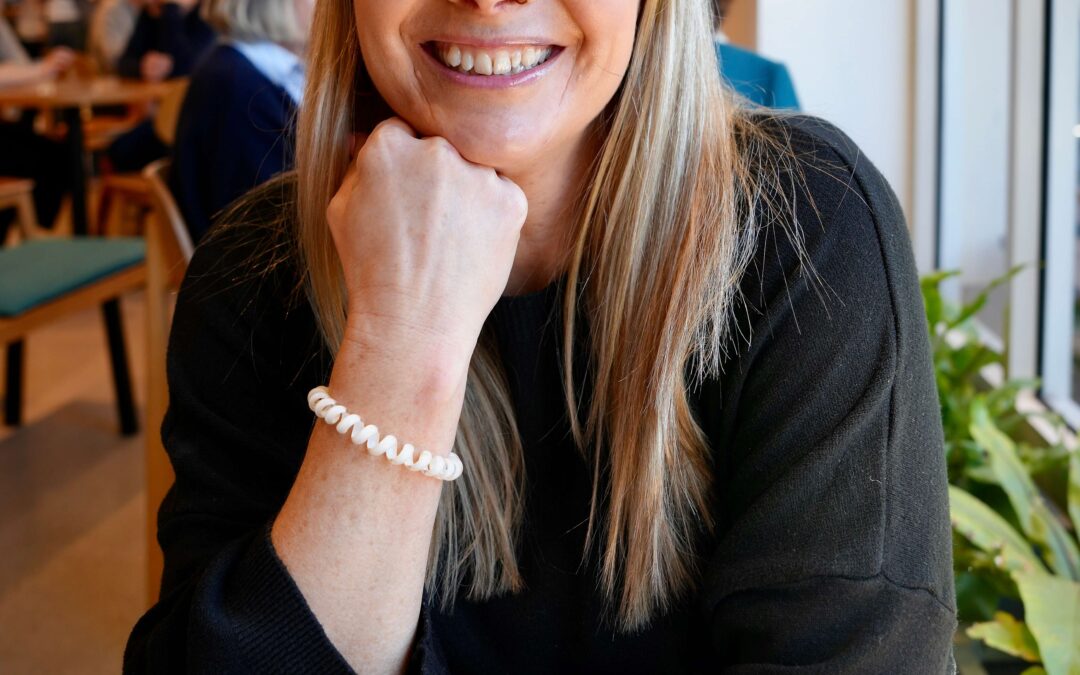
One of the first questions parents ask me is, "If my child has a difficult day, who will they turn to?"
That question stays with me, because it gets to the heart of what guardianship really is. Choosing an educational guardian isn't simply about meeting a school's requirement. It's about knowing that, when you're thousands of miles away, there is someone nearby who knows your child, talks to their school, and notices when something isn't quite right.
This guide is for parents who are somewhere in that decision right now. Comparing organisations, reading policies, and trying to work out which one will actually show up when it counts. I'll walk through what good guardianship involves, the checks worth making, and the questions to ask before you choose.
My advice in one line
Don't rush the process, and trust your gut instinct.
Guardianship is about more than a name on a form
Many families first meet guardianship as something on the school's admissions checklist. On paper, it can look like admin.
In reality, a good guardian becomes the trusted local adult who can respond when life doesn't go to plan. That might mean supporting a student who feels overwhelmed, collecting them when they're ill, attending a meeting at school, or noticing small changes in their mood before they become something bigger.
It also means everyone being clear about who is responsible for what. When arrangements are vague, a school may not know who to call, and families may assume information has been passed on when it hasn't. Assumptions are rarely helpful when it comes to the welfare of a young person.
If you'd like the full picture of how guardianship works, including what it costs, my guide to educational guardianship in Canterbury covers it from first enquiry to the end of term.
What parents really worry about
Parents rarely worry about the paperwork. They worry about handing over their child. They worry about the phone call they hope never comes, and about who will notice if their child quietly begins to struggle.
Underneath the term dates and the school forms sit the questions that really matter. Will my child be safe? Will they be lonely, even surrounded by people? Will someone tell me the truth if things aren't going well? Will my child trust the adults around them enough to ask for help?
Parents often tell me they worry less about big emergencies and more about the everyday moments. Whether their child will ask for help finding a doctor. Whether they'll admit they're struggling with a subject. Whether they'll say something feels wrong before it becomes serious. Those are exactly the moments a good guardian is there for.
Why I'm cautious about promises
As a qualified counsellor, I've spent years understanding how communication, behaviour and trust shape the decisions people make. One lesson comes up again and again: people can talk the talk, but where is the evidence?
A polished website and reassuring language don't automatically mean an organisation has strong safeguarding in place. What matters is whether their claims can be checked.
I learned this the hard way. Before I started Home From Home Canterbury, a student was staying with me through another organisation's arrangement. Something didn't feel right. Communication was confusing, information seemed to change, and conversations didn't match what had been said before.
Rather than ignoring that feeling, I went back through the emails and messages and looked at what had actually been said. Then I checked the organisation's policies, procedures and accreditation claims. What I found taught me something I now pass on to every parent: if something feels wrong, it's worth looking into.
That experience is one of the reasons I built a service around transparency, safeguarding and accountability. You can read more in why I founded Home From Home Canterbury.
Seven checks to make before you choose
These are the checks I'd make myself, and the ones I'm happy for any parent to make about me.
1Check accreditation for yourself
Ask whether the organisation is accredited by AEGIS, the Association for the Education and Guardianship of International Students. Then look it up on the AEGIS website rather than relying on a logo. AEGIS inspects guardianship organisations against standards covering safeguarding, welfare, accommodation and communication. Home From Home Canterbury has been AEGIS accredited since 17 June 2026, and you can read what that involved on my AEGIS accreditation page.
2Arrange a proper conversation
Not a rushed phone call or a quick exchange of emails. Book a video call and ask your questions. Do they seem organised? Do they answer clearly? Do they make time for you? If communication feels rushed at the enquiry stage, it's fair to wonder how they would handle a welfare concern.

3Read the safeguarding policies
A good provider will let you see them, not just tell you they exist. Look for a named safeguarding lead, clear steps for raising a concern, and procedures for emergencies and for a student going missing. Mine are published on this website: my safeguarding and child protection policy, emergency procedure and missing student procedure.
4Find out who will actually look after your child
Many larger organisations use a head office contact, a regional coordinator and a separate host family. That's a sound way to run a national business, but it means the person you speak to may never meet your child. Ask who will visit, who attends parents' evenings, and who your child stays with.
5Ask where your child will stay at exeats and holidays
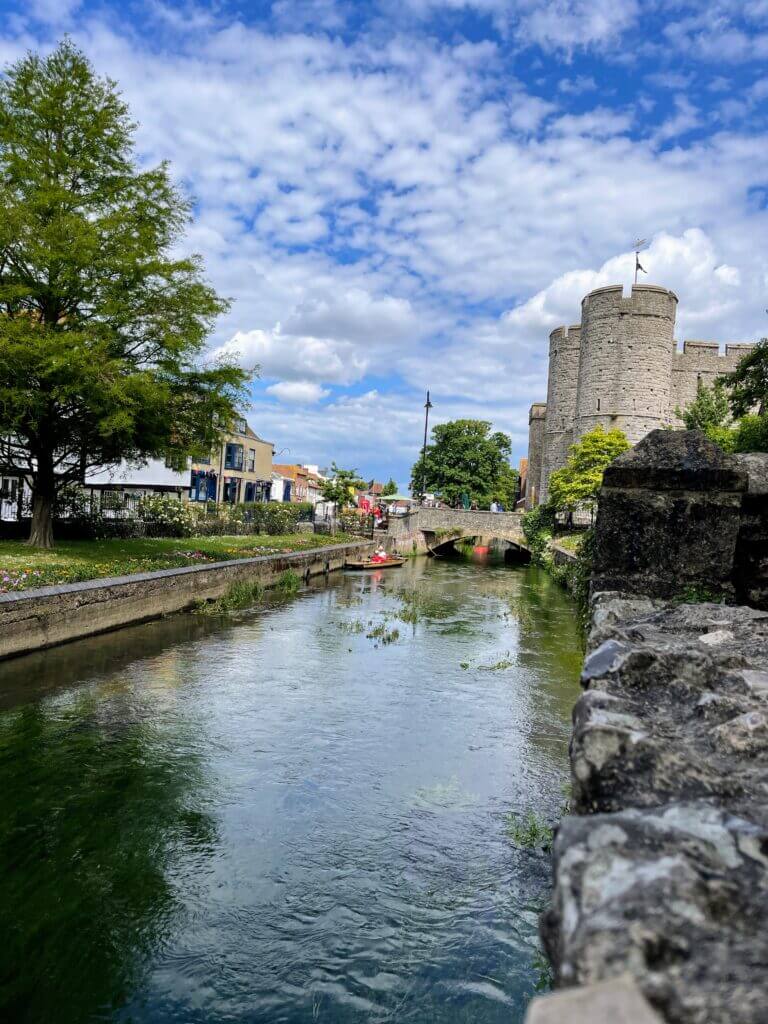
Ask whether it's the guardian's own home or a family they place students with, and how those families are checked. With me, students stay in my own home in Canterbury, and I take a maximum of two students. Here's how school holidays, half terms and exeats work, and what homestay in Canterbury looks like.

6Ask what happens in an emergency
Who gets the call from the school? How quickly can they get there? Who goes to hospital with your child, and how will you be kept informed? Distance matters here more than many parents expect, which is why I've written about why a local guardian in Canterbury makes a difference.
7Look beyond the website
Is there a real, named person behind the business? Do they share updates and respond when you get in touch? You're trusting them with something incredibly important, so it's reasonable to expect transparency.
Questions worth asking any provider
A good guardianship organisation will welcome every one of these and answer them clearly.
- ✓Are you AEGIS accredited, and can I check that myself?
- ✓Who is my child's named guardian, and how often will they see my child?
- ✓Where will my child stay during exeats, half terms and holidays?
- ✓What happens if my child is ill, or if the school closes unexpectedly?
- ✓How, and how often, will you update me?
- ✓Can my child contact their guardian directly?
- ✓Who is your designated safeguarding lead?
- ✓What exactly is included in the fee, and what is charged as extra?
What a good guardianship year looks like
It helps to picture guardianship across a whole school year, rather than as a service that switches on in an emergency.
At the start of term, it means making sure arrival goes smoothly and being the familiar contact while everything else is new. Through the term, it's the steady rhythm of welfare check-ins and contact with school. Half terms and exeats raise practical questions about where your child stays and how they travel safely. And if anything goes wrong, such as illness, a school closure, or a student struggling more than usual, the relationship built over the rest of the term is what matters most. The guardian isn't a stranger stepping in. They're someone your child already knows.
In my experience, the best arrangements often feel calm and uneventful, because the groundwork has been done properly.
Myth and reality
Myth
A guardian is simply someone the school requires.
Reality
A good guardian becomes a trusted adult who supports both you and your child throughout their time in the UK. For many families, the real value only becomes clear the day they need it.
Why I work the way I do
I combined hosting and guardianship because I believe consistency matters. Rather than students moving between several people, I wanted families to know exactly who is caring for their child, where they will stay, and who to call.
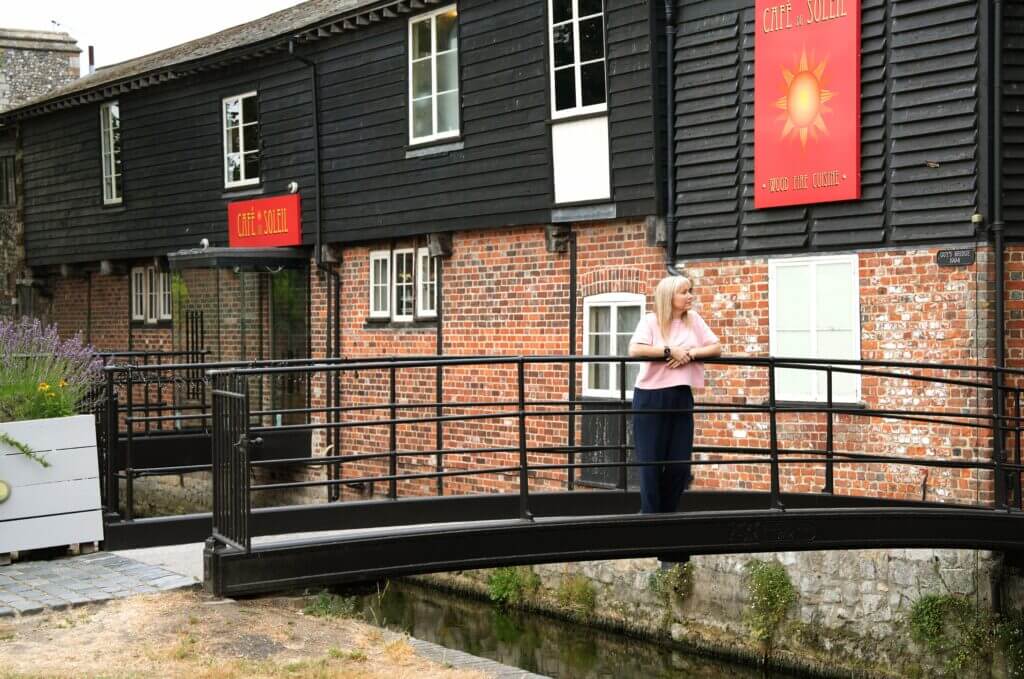
My background as a counsellor has taught me that trust isn't built through persuasion. It's built through consistency, through actions matching words, and through systems that let people check things for themselves. You can read more about me.
Frequently asked questions
Is an educational guardian a legal requirement?
Most UK boarding schools require international students under 18 to have a UK-based guardian, and some visa arrangements expect one too. Check your child's school's own guardianship policy.
How far away should a guardian live?
Schools set their own rules. Some ask for a guardian within two hours, others two and a half. Closer is better in an emergency. I'm 11 minutes by car from The King's School Canterbury.
What does AEGIS accreditation mean?
It means an organisation has been independently inspected against national standards for safeguarding, welfare, accommodation and communication.
How much does educational guardianship cost?
It varies widely by provider and level of service. I publish my fees in full on my pricing page, and I've written a guide to how much educational guardianship costs in the UK.
How do I start?
Book a short call with me. There's no commitment, just a chance to ask your questions.
Take your time
Gather information. Ask questions. Sleep on the decision. And above all, trust your gut instinct.
If you'd like to talk it through, the quickest way to reach me is a text or WhatsApp on 07585 473046.