
Parents ask me a version of the same question, in different words, almost every time we speak for the first time: what does an educational guardian actually do?
It is a fair question. Most schools ask for a guardian, but very few people explain what the role involves day to day. So in this guide I will walk you through it honestly: what a good guardian does, what they don't do, and the questions worth asking before you choose one.
The short answer
An educational guardian is a UK-based adult who acts for you while your child is at boarding school. They liaise with the school, step in when your child is ill or something goes wrong, give your child somewhere safe to stay when school is closed, and notice early if your child is struggling.
AEGIS accredited since 17 June 2026 · Designated Safeguarding Lead trained · Qualified therapist
The worry underneath the question
Underneath the practical question, there is usually a harder one parents don't always say out loud: will someone actually notice if something is wrong with my child, or will they just be a name on a file?
I understand why that worry exists. Many parents come to guardianship assuming it is a tick-box exercise, something the admissions office needs and nothing more. That isn't a criticism of parents. It is usually because nobody has ever properly explained the role. So it gets treated as paperwork, when really it is a relationship.
Parents in this position aren't just arranging logistics. They are trusting somebody they may have only spoken to a handful of times with the most important thing in their life, and wondering whether their child will really be okay so far from home.
What I do as your child's guardian
Here is what the role looks like in practice.
Be the named adult in the UK
I am your child's local contact for the school, with a 24-hour number for emergencies. If the school needs a responsible adult quickly, they call me.
Work with the school
I join parents' evenings and school meetings, online or in person, keep in touch with house staff, and attend any welfare meeting the school asks for.
Keep you in the loop
I check in with your child regularly and send you written reports each term, so you hear how they are doing from someone who knows them.
Step in when your child is ill
If your child is unwell at school, I collect them. If they need a GP, a hospital or A&E, I go with them and keep you informed.
Give them somewhere safe to stay
For exeats, half terms, travel days, illness or an unexpected school closure, your child usually stays in my own home in Canterbury. If my home isn’t available, I arrange safe and suitable accommodation in accordance with my established emergency procedures.
Handle the paperwork
Forms, consent letters and visa letters are part of the role, and are never charged as extras.
Carry on through the holidays
Guardianship doesn't stop when term ends. It continues through the whole academic year.
You can see exactly what is included in each service in my guide to what guardianship costs, and how half terms, exeats and holidays work.
How my background shapes the way I do it
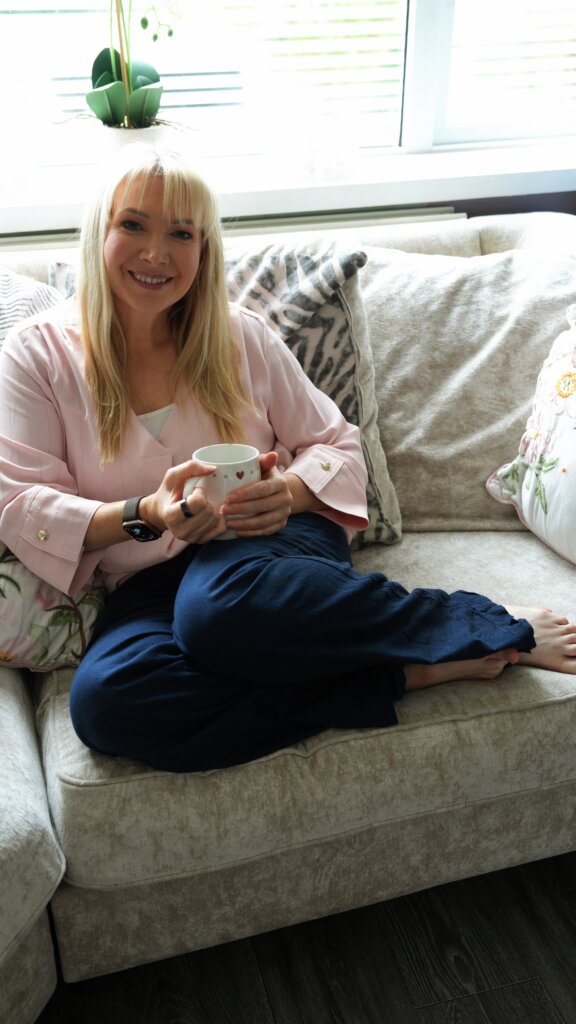
My background is as a qualified therapist, and that shapes how I approach guardianship more than anything else. A lot of young people find feelings questions harder to answer than parents expect, so I often start with a thinking question instead, which can feel much safer. I pay close attention to what isn't being said: eye contact, body language, a young person insisting "I'm fine" when everything else about them says otherwise.
It also means that when something needs a decision, I don't make a knee-jerk one. I become curious before I make assumptions. I gather information, look for patterns, and speak to the school, to you and to safeguarding staff where appropriate before deciding what support might actually help.
That approach comes from my very first experience of hosting, long before Home From Home Canterbury existed or I held any accreditation. I learned quickly how much proper information, structure and safeguarding matter, because I felt the gap when they weren't there. That is why safeguarding comes before anything else in how I work, including a booking or a convenient arrangement.
You can read more about me and my background.
What a guardian doesn't do
Being clear about this matters just as much:
- ✓A guardian isn't your child's therapist. I don't provide counselling to the students I look after. If a young person needs that kind of support, I work with the school and with you to find the right professional.
- ✓A guardian doesn't replace the school's pastoral care. House staff look after your child day to day in term time. My role is to work alongside them, not to take over.
- ✓A guardian doesn't replace you. You remain the parent. I act on your behalf locally and keep you informed.
- ✓I don't do routine airport transfers myself. If one needs arranging, it is quoted to you in advance at the provider's cost.
Any guardian should be able to tell you clearly where their role starts and stops.
Myth and reality
| Myth | Reality |
|---|---|
| Guardianship is just an admin requirement for the school. | Done properly, it is an ongoing relationship between guardian, school, parents and your child, built on communication and safeguarding judgement. |
| A guardian only matters in an emergency. | Most of the value is in the ordinary weeks: noticing small changes early, before they become bigger problems. |
| Any adult in the UK will do. | Schools have requirements, and accreditation such as AEGIS means a guardian has been independently inspected. |
If you are comparing guardians, my parent's guide to choosing an educational guardian lists the questions worth asking any provider, including me.
Frequently asked questions
Is educational guardianship a legal requirement?
It is usually a school requirement rather than a law. Most UK independent boarding schools ask international students under 18 whose parents live overseas to have a named guardian in the UK. Each school sets its own rules, so check with yours.
What is the difference between a guardian and a homestay?
A guardian is the responsible adult who acts for you throughout the year. A homestay is where your child sleeps when they can't be at school. With me, homestay is in my own home, so your child stays with the same person who is their guardian. Read more about homestay in Canterbury.
How often will you be in touch?
I check in with your child about once a month on Enhanced, or about every two weeks on Premium, and you receive written reports each term. Anything important, I tell you straight away.
What happens in a genuine emergency?
The school calls me on my 24-hour number. I go to your child myself or, if I can’t, my formally approved and vetted emergency cover does, and I keep you informed. My first response is always included. If it turns into a long hospital visit or several hours of follow-up support, that further time is charged at £75 an hour, and I’ll always tell you at the time.
What happens during school holidays and exeats?
Guardianship continues all year. When the boarding house closes, your child can stay in my home, booked in advance where possible. I don’t routinely accept planned homestay bookings between approximately 20 December and 2 January, but I continue to provide emergency support for the students under my guardianship, including arranging safe and suitable accommodation in accordance with my established emergency procedures.
What does AEGIS accreditation mean?
AEGIS is the Association for the Education and Guardianship of International Students. Accredited guardians have been independently inspected against its standards. Home From Home Canterbury has been AEGIS accredited since 17 June 2026.

Have a question about your own situation?
Tell me about your child and their school, and I will explain how guardianship would work for your family. You can also read more about educational guardianship in Canterbury.