
What to Pack for a UK Boarding School: A Practical List for International Parents
Written by Becky Stone, founder of Home From Home Canterbury, from the point of view of the person who will be hosting the exeat weekends.
If your child is starting at a boarding school in Canterbury this term, you are probably staring at a suitcase and a school list and wondering how the two are going to meet.
The school's list is the right place to start. It is also, in my experience, only half the story. It tells you what the school requires. It does not tell you what a fifteen-year-old actually needs in the third week of a wet November, seven thousand miles from home, when the novelty has worn off and the boarding house feels very quiet.
This post covers both. The practical things that make the first term run smoothly, and the smaller things that make a room feel like it belongs to your child rather than to the school.
Start With the School's List, and Read It Twice
Every school issues a kit list, and every school's list is different. Some provide bedding and towels. Some expect you to bring them. Some have strict uniform suppliers, some allow near-equivalents. Some let students bring a kettle. Most do not.
Before you buy a single thing, read the school's list properly and note three things: what the school provides, what it requires you to bring, and what it prohibits. That last category is the one families most often miss, and it is the one that causes the awkward conversation on arrival day.
If anything on the list is unclear, ask the boarding house directly. Houseparents answer these questions every September and would far rather you asked than guessed.
Clothes for a British Year
The weather in Kent is not extreme. It is changeable, and it is damp. A day in October can start cold and bright, rain by lunchtime and clear again by four. What that means for packing is layers rather than heavy single items.
What actually gets worn:
- A properly waterproof coat with a hood. Not showerproof. Waterproof. This is the single most important item on the list and the one most often bought wrong.
- Two or three warm mid-layers: fleece, jumper, hoodie. Students live in these at weekends.
- Shoes that can cope with wet pavements and muddy playing fields, plus something smart for school and something comfortable for exeat weekends.
- Enough underwear and socks for a fortnight. Laundry runs weekly at most schools, but a spare week's worth removes a surprising amount of stress.
- A warm hat, gloves and a scarf for January and February.
What tends to sit in the wardrobe: heavy winter coats built for a colder climate, more than one formal outfit, and anything that needs ironing that the student cannot iron themselves.
Sports kit is usually specified precisely by the school. Follow that list exactly; it is one area where the school really does mean it.
The Bedroom
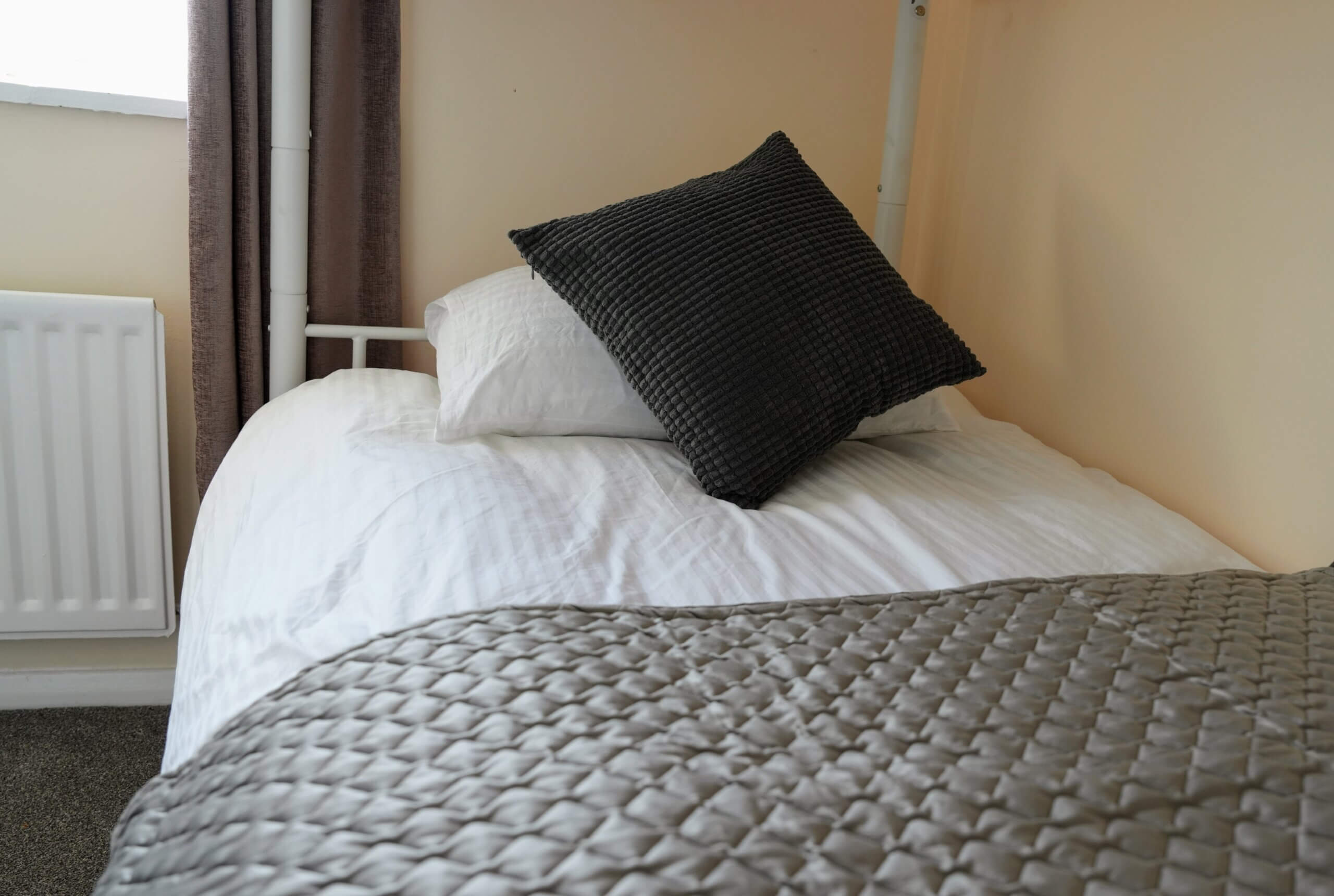
Check first whether the school provides bedding. Where it does not, UK single beds are 90cm by 190cm, and a duvet with two covers means one can be in the wash. A mattress topper is not on any school list and is the item most worth adding, because boarding house mattresses are built to last rather than to be comfortable.
Beyond that, think about the things that make a small shared space feel personal: a few photographs, a small lamp if permitted, a familiar blanket or cushion. These are not luxuries. They are what a young person reaches for on a difficult evening.
Storage is tight in most boarding houses. Soft, collapsible storage beats rigid boxes, and a suitcase that folds flat or fits under the bed is worth the extra thought.
Paperwork, Medication, Money and the Phone
Documents. The school will tell you exactly which travel and identity documents your child must carry and which it holds on file. Keep copies securely at home and provide your educational guardian with the information or documents required as part of the guardianship arrangements, so that essential details can be accessed if they are genuinely needed in an emergency.
Medication. Any regular medication should travel in its original packaging, together with any supporting information the school asks for. Check the school's medication arrangements before travelling. Schools normally have clear rules about how regular medication must be supplied, stored and administered. If your child has an allergy, make sure the school and Becky have the information they need in writing.
Money. A UK bank account or a prepaid card in your child's name is far easier than cash. Most schools discourage more than a small amount of cash in the boarding house. Pocket money arrangements are worth agreeing before term starts rather than by message in week two.
Phone. A UK SIM card makes life simpler for everyone: the school, your child, and you. Check the school's phone policy, because many restrict use during the day and collect phones overnight for younger years.
Adapters. The UK uses the three-pin Type G plug at 230 volts. Bring at least two adapters. One will be lost by half term.

The Things That Matter More Than Parents Expect
It is very easy to arrive with a beautifully packed case and nothing in it that smells, tastes or feels like home.
A packet of a favourite snack. A small jar of a spice or sauce they cook with. A pillowcase from their own bed. A photograph that is not on a phone. A book in their own language. None of these takes up much room, and all of them do something that no amount of new kit can do: they give your child a piece of home to hold on to when the first hard week arrives.
If your child stays with me at exeats, I keep a shelf for exactly this. Students are welcome to leave things here that they do not want to carry back and forth.
What Not to Bring
- Anything the school prohibits. Read that section of the list carefully.
- Expensive jewellery or large amounts of cash. Boarding houses are safe, but they are shared.
- Large electrical items unless the school has said yes in writing.
- Too much. A boarding house room is small, and a student who cannot find anything is a student who stops looking.
The Short Version
- Waterproof coat with a hood
- Three warm mid-layers
- Wet-weather shoes, school shoes, weekend shoes
- Two weeks of underwear and socks
- Hat, gloves, scarf
- Sports kit exactly as the school specifies
- Bedding if the school does not provide it, plus a mattress topper
- Two UK plug adapters
- Medication in original packaging, with any supporting information the school asks for
- Documents the school lists, with secure copies at home and any information your guardian has asked you to provide
- UK bank card or prepaid card
- UK SIM card
- A few things that are unmistakably home
What They Need for Weekends at Home From Home Canterbury
Students who stay with me for exeats and half terms need very little beyond a weekend bag: clothes for two or three days, any medication, a phone charger, and whatever they need for homework. Bedding, towels, meals and everything else are here. There is a washing machine, and it gets used.
You can read more about what a stay here looks like on the homestay in Canterbury page.
FAQ
Does the school provide bedding?
It varies. Some schools provide bedding and towels, others expect you to bring them. It is on the school's kit list, and if it is not clear, ask the boarding house.
How much should my child pack?
Less than you think. A boarding house room is small and storage is limited. Pack for a fortnight of clothes plus the specified uniform and sports kit, and add a few personal things from home.
Can my child bring their own duvet and pillow?
Usually yes, and many students prefer to. Check the school's list first, and remember UK single beds are 90cm by 190cm.
What documents does my child need to carry?
The school will give you a precise list. Keep secure copies at home, and provide your educational guardian with whatever information the guardianship arrangements require, so that essential details can be reached if they are genuinely needed.
Should my child bring cash?
A small amount for the first few days is sensible. Beyond that, a UK bank card or a prepaid card is safer and easier to manage from overseas.
What about things for exeat weekends?
If your child stays with me, a weekend bag is all they need. Bedding, towels and meals are provided, and students are welcome to leave a few things here between visits.
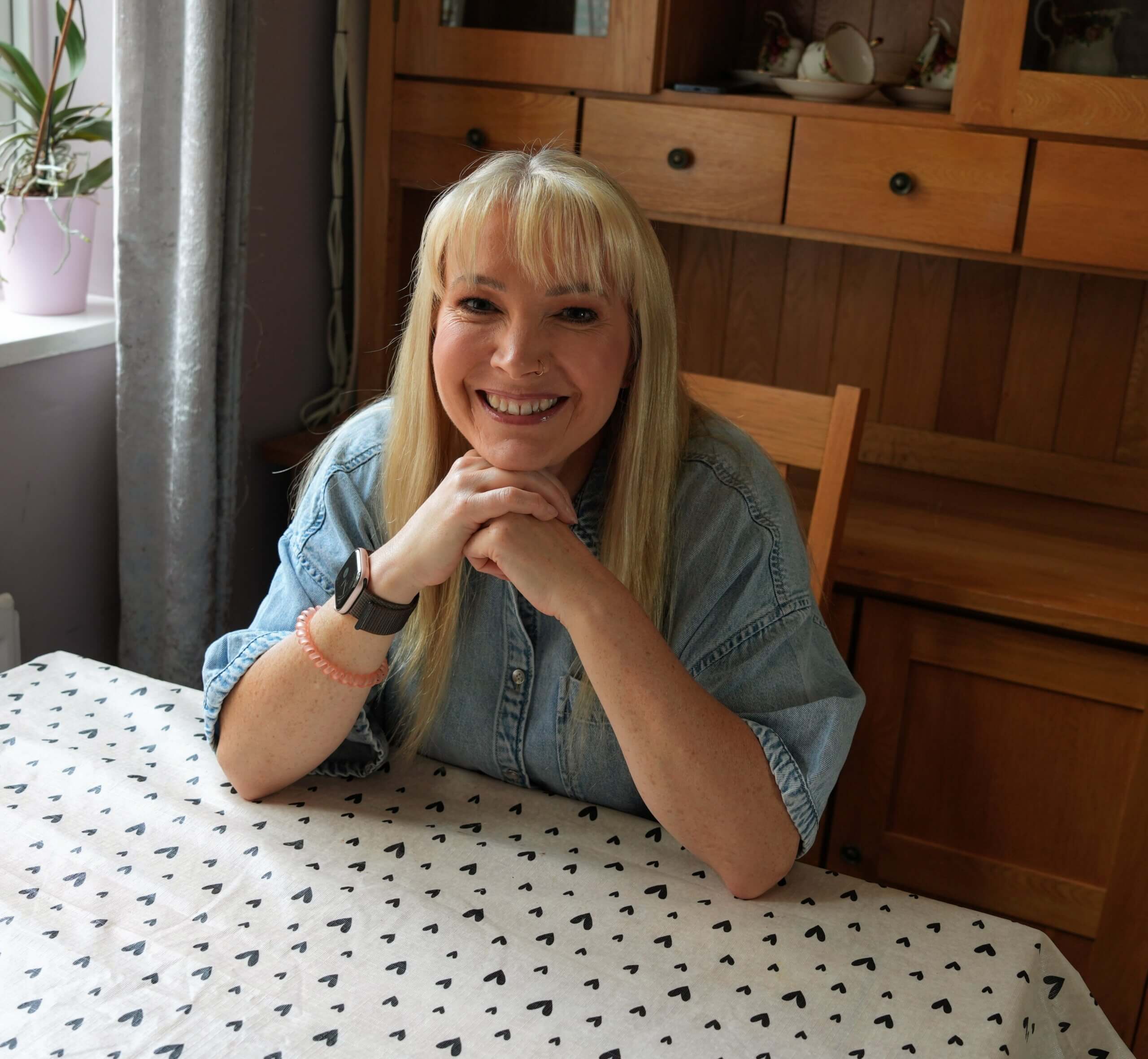
Becky Stone, Founder and Designated Safeguarding Lead
Becky Stone is the founder of Home From Home Canterbury, an AEGIS Accredited guardianship organisation based in Canterbury. She qualified as a counsellor in 2012 and has extensive experience supporting children, young people and adults. She is trained as a Designated Safeguarding Lead and holds an enhanced DBS.
Home From Home Canterbury looks after a small number of students at schools within thirty minutes of Canterbury. The educational guardian, the host, the school contact and the emergency contact are the same person, with pre-arranged vetted cover in place.
Read more about Becky
Starting at a Canterbury school this year?
If you would like to talk through guardianship, exeat weekends or anything on this list, I would be glad to have a conversation. Twenty minutes, no pressure, and you will be speaking to me.