
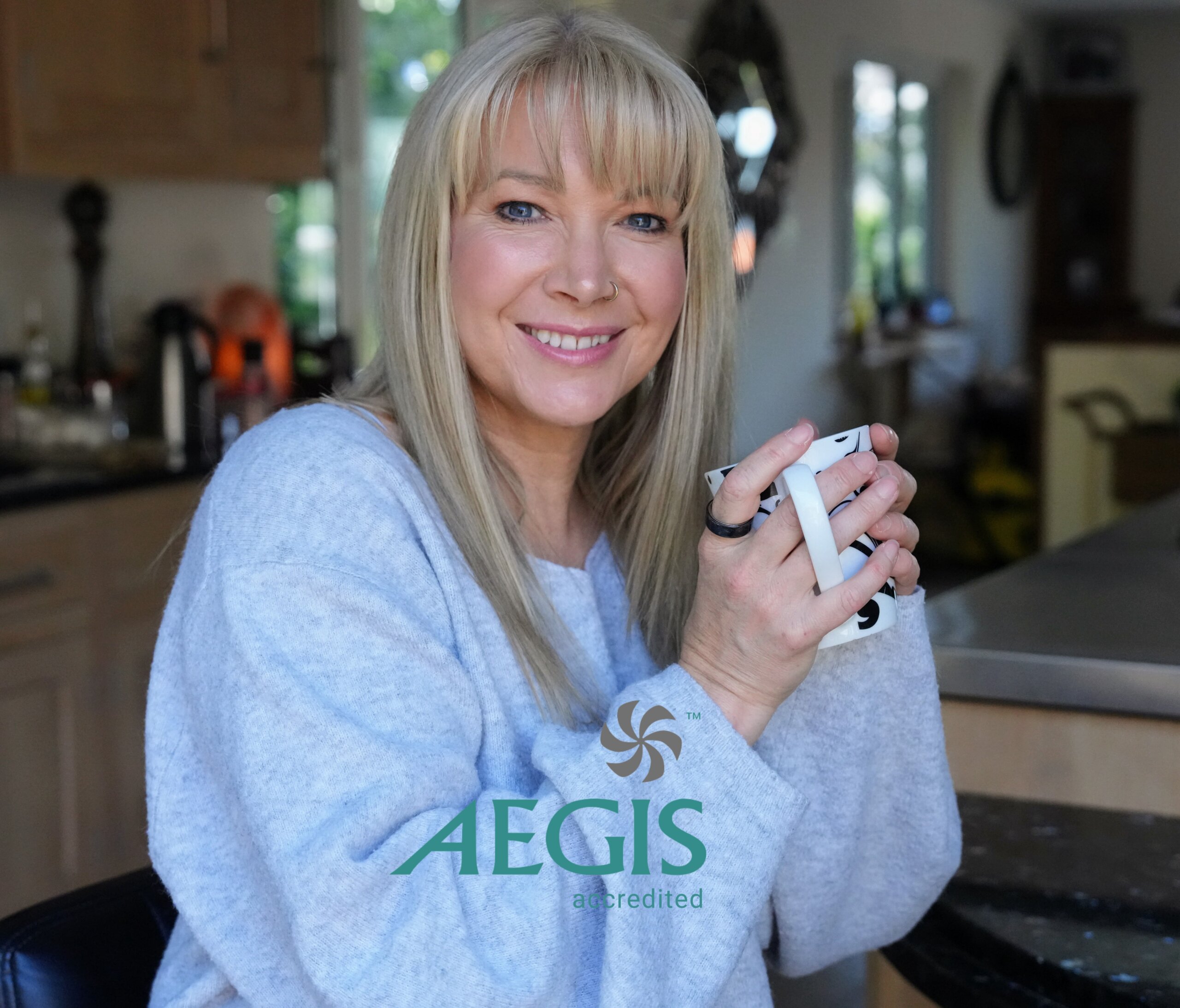
Choosing a local guardian in Canterbury is one of the most important decisions parents make when their child studies at a UK boarding school. Safeguarding, emergency support and compliance all matter but what parents are really looking for is harder to put into a contract: someone local who genuinely knows their child and will be there when it counts.
At Home From Home Canterbury, guardianship is about far more than paperwork or being listed as an emergency contact. It's about building trust, noticing when something isn't quite right, and helping a young person feel like they belong while living thousands of miles from home.
As an AEGIS Accredited Guardian with NSPCC safeguarding training and a professional background supporting young people, my focus is on creating a calm environment where students feel heard, parents feel reassured, and Canterbury boarding schools know they have a trusted local partner.
If you're searching for a guardian in Canterbury, comparing guardianship services, or wondering whether a local guardian is right for your child, this guide walks you through why it matters and you can read more about my background here.
What You'll Find in This Guide
- Why choosing a local guardian matters
- The real difference between local and national guardianship
- What happens if your child needs help in an emergency
- Why the small things matter as much as the big ones
- The questions every parent should ask before choosing a guardian
- Answers to the questions parents ask me most often

Imagine This
It's 10:30pm. Your phone rings.
You're thousands of miles away, still settling back into life after leaving your child at boarding school in Canterbury. It's the school. Your son or daughter is upset. They need collecting.
In that moment, you don't care how many offices a guardianship company has, or how many students they support. You care about one thing.
Who is walking through the school gates to collect your child?
That question sits at the heart of why I created Home From Home Canterbury. When a child is frightened, homesick or simply having a difficult day, they don't need a system - they need a person, someone they recognise who can be there quickly. This is exactly the scenario an Emergency Guardian exists for, and it's worth understanding long before you ever need one.
Why Choosing a Local Guardian in Canterbury Matters
When parents compare guardians, they usually look at prices, accreditations and services and they should. Safeguarding, experience and professional standards all matter. As an AEGIS Accredited Guardian with NSPCC safeguarding training, I'd never suggest otherwise. But after years of supporting young people, I've come to believe the biggest difference isn't found in a checklist. It's found in the unplanned moments - the ones that happen at 10:30pm, or in a quiet corner of a school hallway, when a young person simply needs someone nearby.
AEGIS, the body that sets national standards for UK guardianship, exists because this matters - its framework recognises the role goes well beyond logistics. More on what that means on my AEGIS Accreditation page.
A guardian is often described, technically, as the person a school contacts if parents can't be reached. That's true, but it's a thin description. It's really about reassurance: if something changes, someone notices; if something goes wrong, someone responds - hard to measure on paper, but what matters most to a teenager lying awake in an unfamiliar room, far from everyone who knows them.

Why I Created Home From Home Canterbury
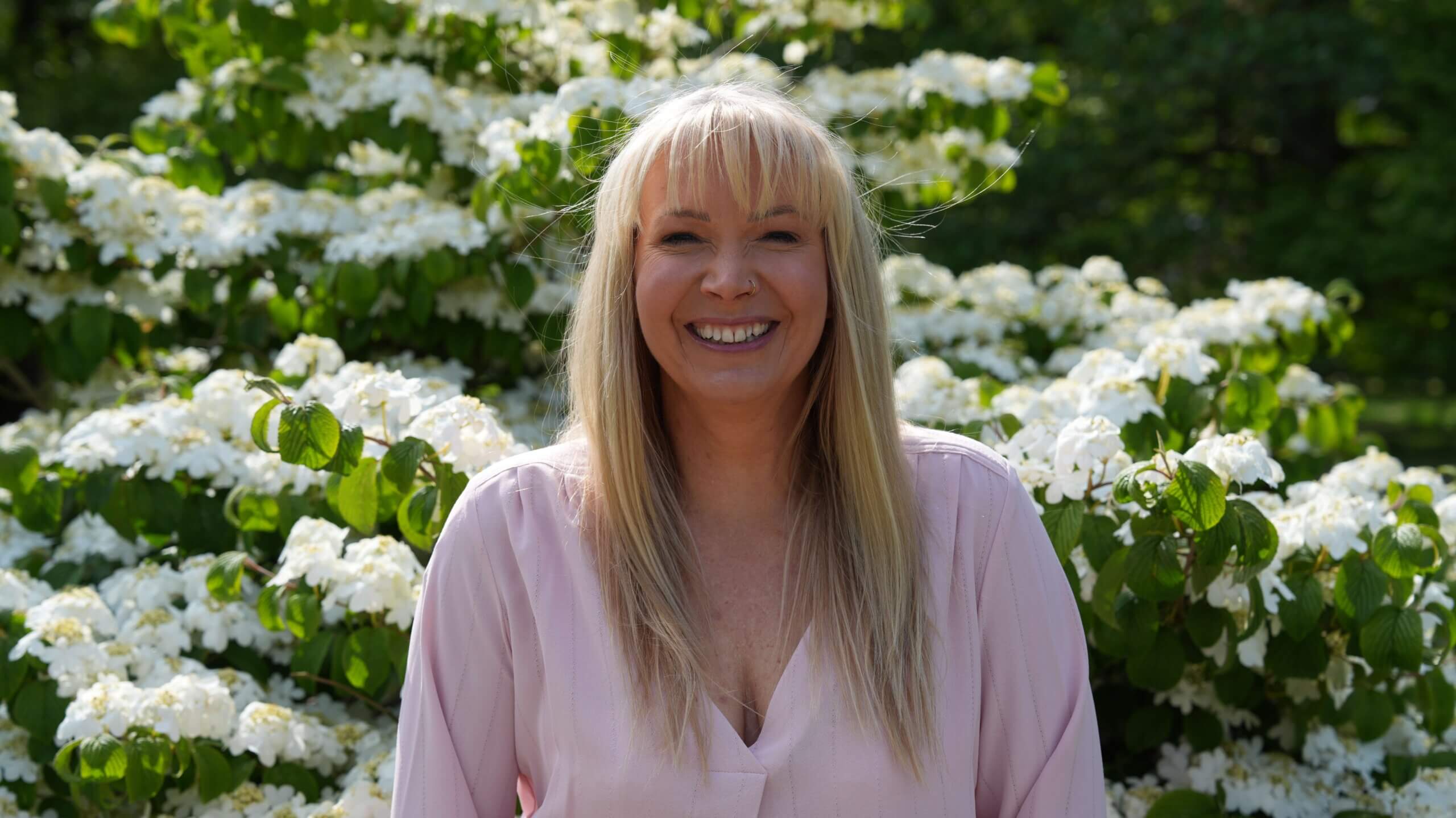
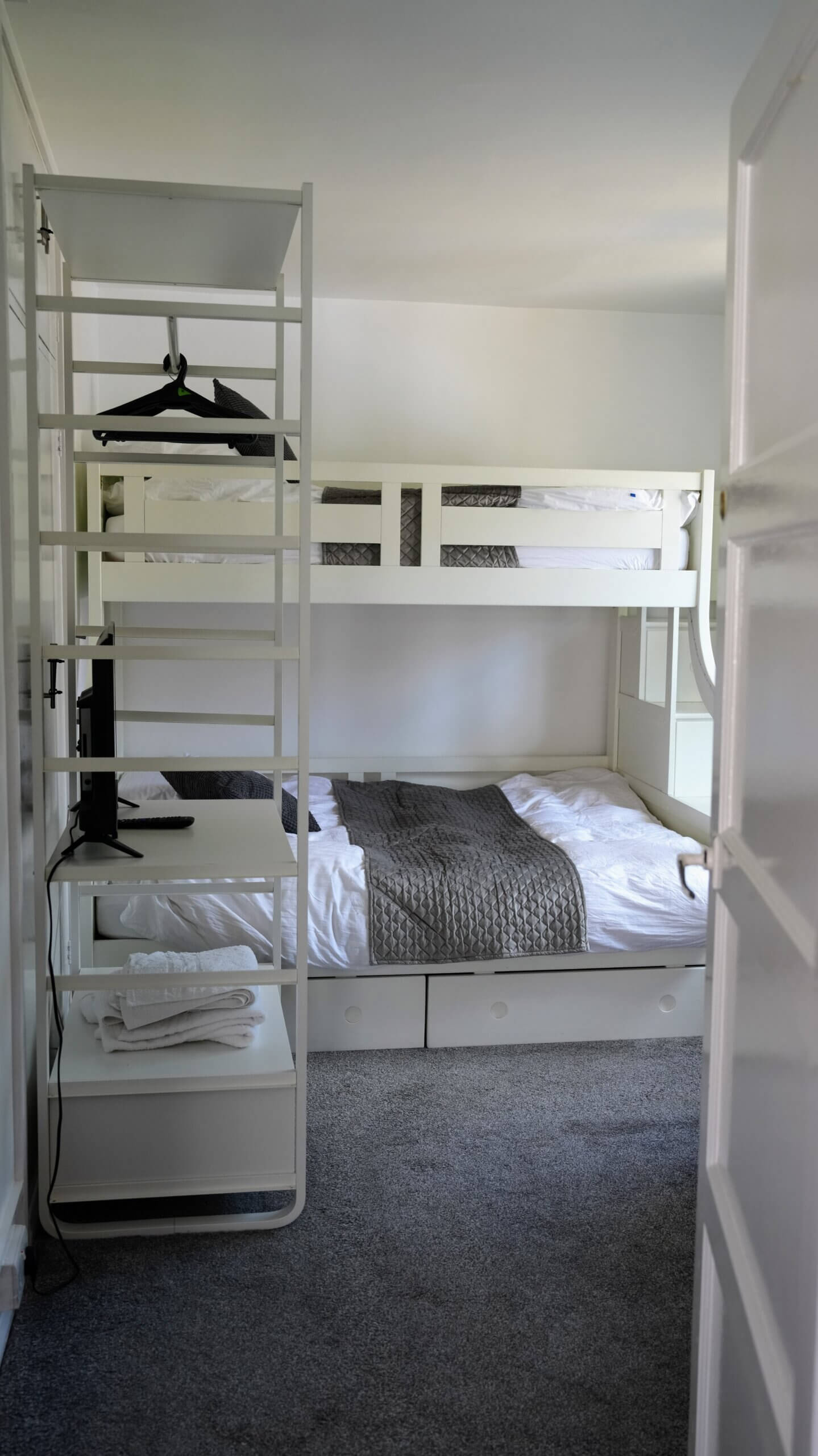
Home From Home Canterbury was never built to become the biggest guardianship service in Canterbury. It was built to become the kind of guardianship I'd want if my own children were studying overseas: small enough to know every student personally, professional enough to hold the highest safeguarding standards, local enough to respond quickly, and warm enough that a student feels they belong, not just board. Parents know exactly who they're speaking to; schools know exactly who they're communicating with. That consistency is where trust comes from - not the size of an organisation, but how well it's known by the people relying on it. Read more on the Guardianship Services and Homestay for International Students pages.
Living Locally Changes Everything
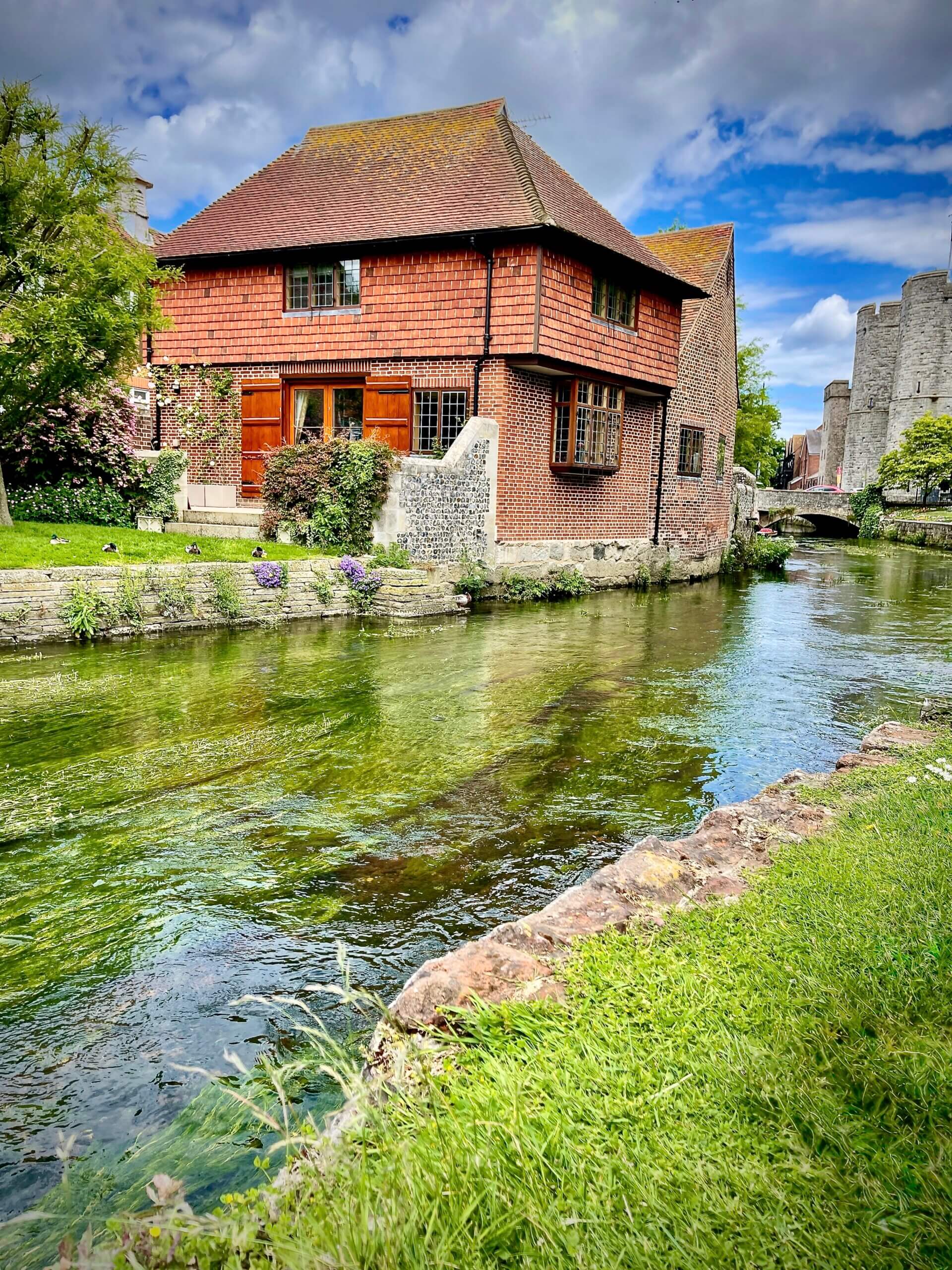
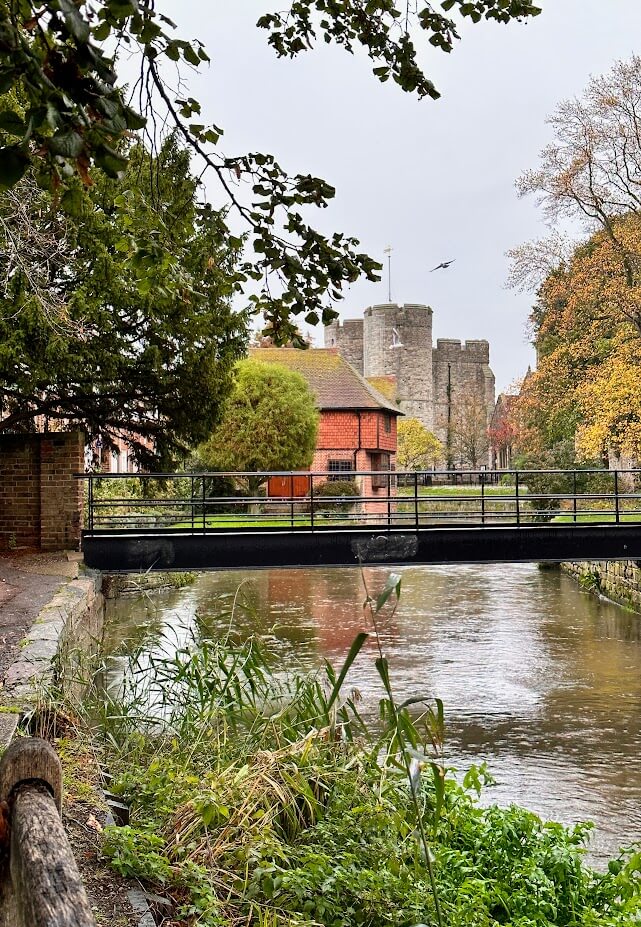
I've lived in Canterbury most of my life and raised my own family here. I know the roads, the schools, the hospitals, the supermarkets - not from a handbook, but from decades of genuinely living it: which route avoids the traffic between Canterbury West and Canterbury East, which cafés in the city centre feel welcoming to a homesick teenager, and how things really work across Kent and the wider UK.
These sound like small details, but when you've just landed in a country that doesn't yet feel like yours, small details decide whether a day goes well or badly. I think of a student in her first term, nervous about catching the right bus into town alone. We worked through it together, and the message she sent me afterwards was just three words - carrying more relief than the words themselves. That's the kind of small, unglamorous confidence a good homestay in Canterbury should quietly build.
It's also the simplest advantage of choosing a local guardian: I'm already here. If a school calls because a student needs collecting, I'm not arranging cover or relying on a third party depending on traffic, I can usually be on my way within 20–35 minutes, and the student knows someone they recognise is on their way. I remember collecting a student after a day that had simply piled up on her; by the time she climbed into the car she was already calmer, not because anything had been fixed, but because she knew who was coming for her. That's what an emergency guardian in Canterbury actually does: not waiting for a crisis to escalate, but being close enough, and known enough, that showing up is part of what helps.
The Difference Isn't Distance
People often assume the real difference between a local guardian and a national guardianship company is geography. I don't think it is.
The real difference is presence. Being available. Being familiar. Being consistent. Knowing a student beyond their paperwork, rather than meeting them for the first time on the worst day of their term.
Children don't remember who completed the forms. They remember who showed up.
What I Hope Every Parent Feels
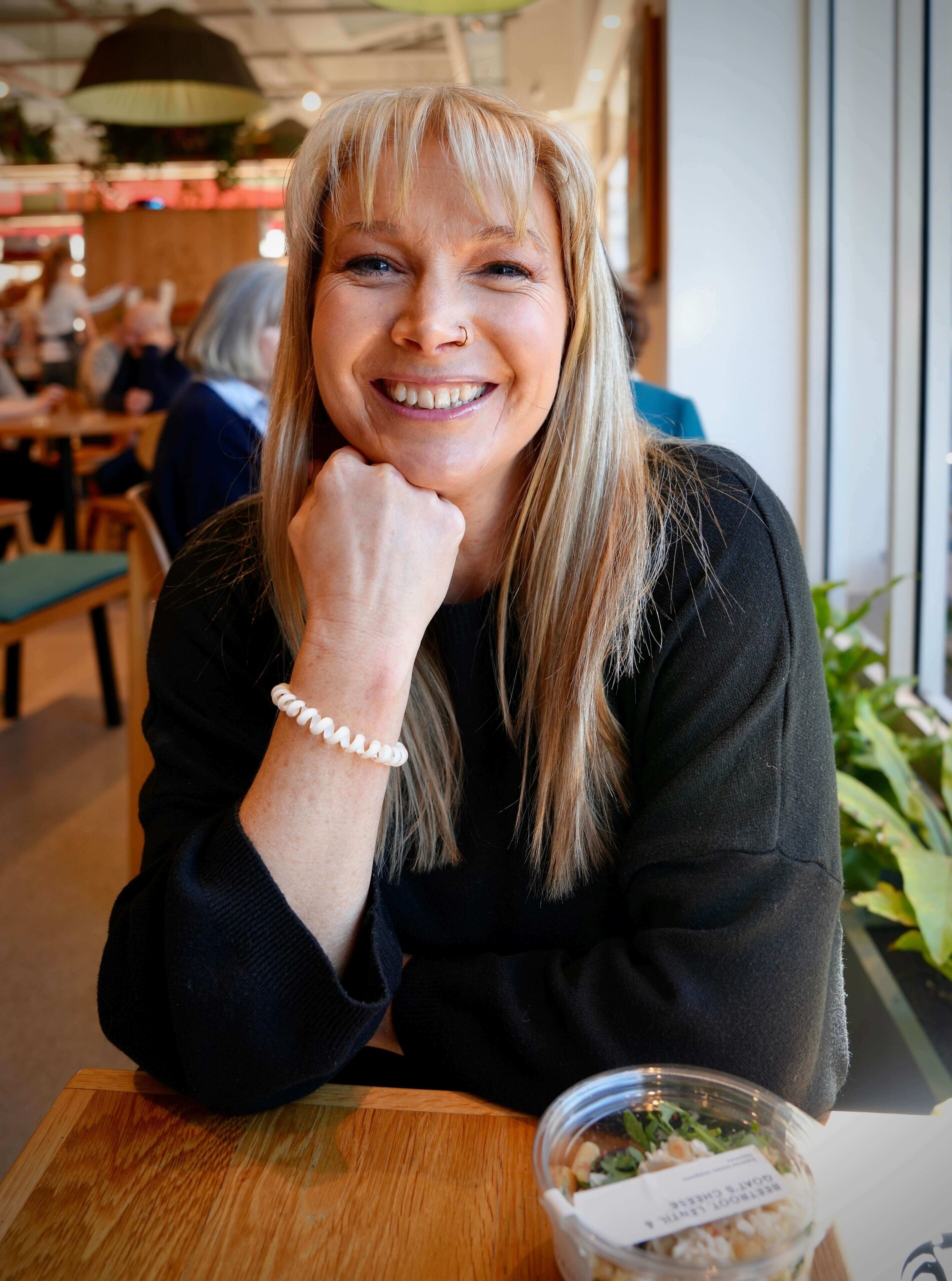
Dropping your child at boarding school is one of the strangest kinds of grief not because anything is wrong, but because everything has changed at once. I've spoken to many overseas parents who say the flight home is the hardest part: the empty seat beside them, the house that's suddenly too quiet.
Those worries don't disappear because you've appointed a guardian. I won't pretend they do. But I hope they become lighter, because my aim is simple: when you get back on that plane, I want you to know there is somebody local who genuinely cares, who communicates honestly, responds quickly, and treats your child with kindness, because that's how young people deserve to be looked after.
My FAQ page covers many of the questions parents ask at this stage, and you're always welcome to get in touch directly.
The Little Things Matter
People often ask me what makes Home From Home Canterbury different. The honest answer is simple: I notice the little things.
Guardianship isn't only about responding to emergencies. It's about noticing the small shifts before they become bigger ones - a student going quieter, eating changing, or pulling back from things they enjoy while working hard to make everything look fine. You only notice these when you know someone well enough to tell that "normal" has quietly shifted.
No guardian can promise to notice everything, and my role isn't to provide therapy - that isn't what guardianship is. What my professional background has given me is the habit of paying close attention and raising concerns appropriately, alongside the school and parents, not instead of them. I believe in communicating early, so it's usually the small conversations - not the dramatic ones - that protect a student's wellbeing over a school year. More on my approach is on the Student Wellbeing page.
I hope every student who stays with me feels part of a home, not just a room - remembering a favourite breakfast, or simply asking the question I think matters most: "What do you need?" Not assuming. Not guessing. Listening first.
I think of a student who arrived mid-term, saying little those first few weeks - the kind of "fine" that doesn't quite sit right if you're paying attention. I didn't push; I just kept things steady, the same routine, the same question after school. Weeks later, she told me it was the predictability that had helped most. Sometimes the moment a student remembers isn't the big gesture - it's the small thing you did without being asked.

Supporting Students Through the Highs and Lows
Studying at a UK boarding school is an extraordinary opportunity, but also one of the biggest adjustments a young person ever faces. For many international students, everything changes at once: a new country, culture, language, food and routine, all while learning independence.
Most students cope remarkably well. Others have moments where it all feels like too much - that's not a failure, it's completely normal. As a local guardian for international students, my role isn't to solve every problem. It's to help the overwhelming moments feel a little less so.
For families weighing up Canterbury boarding schools alongside guardianship - whether your child boards at The King's School Canterbury, Kent College Canterbury, St Edmund's School, Ashford School or Dover College - it helps to understand how the two work together. Read more on my Canterbury Boarding Schools page (internal link), and what homestay for international students looks like in practice.

Structure and Communication Build Security
Years of this work have taught me that structure helps young people feel safe: knowing what's happening tomorrow, planning journeys ahead, regular mealtimes, and time to actually rest. None of this is complicated, but it's often what helps a student feel steady during real change - I encourage them to focus on the next small step in front of them, a shift in thinking I've watched genuinely ease anxiety when the whole picture feels like too much.
The same principle applies to parents and schools. Every family is different - some want regular updates, others prefer to hear from me only when something's worth discussing - and I agree the right level of contact from the start, so nobody is left wondering. If I have a concern, I raise it early rather than waiting or assuming. Parents deserve honesty, schools deserve reliability, and students deserve to know the adults around them are talking to each other, on their behalf.
Safeguarding Is More Than a Policy
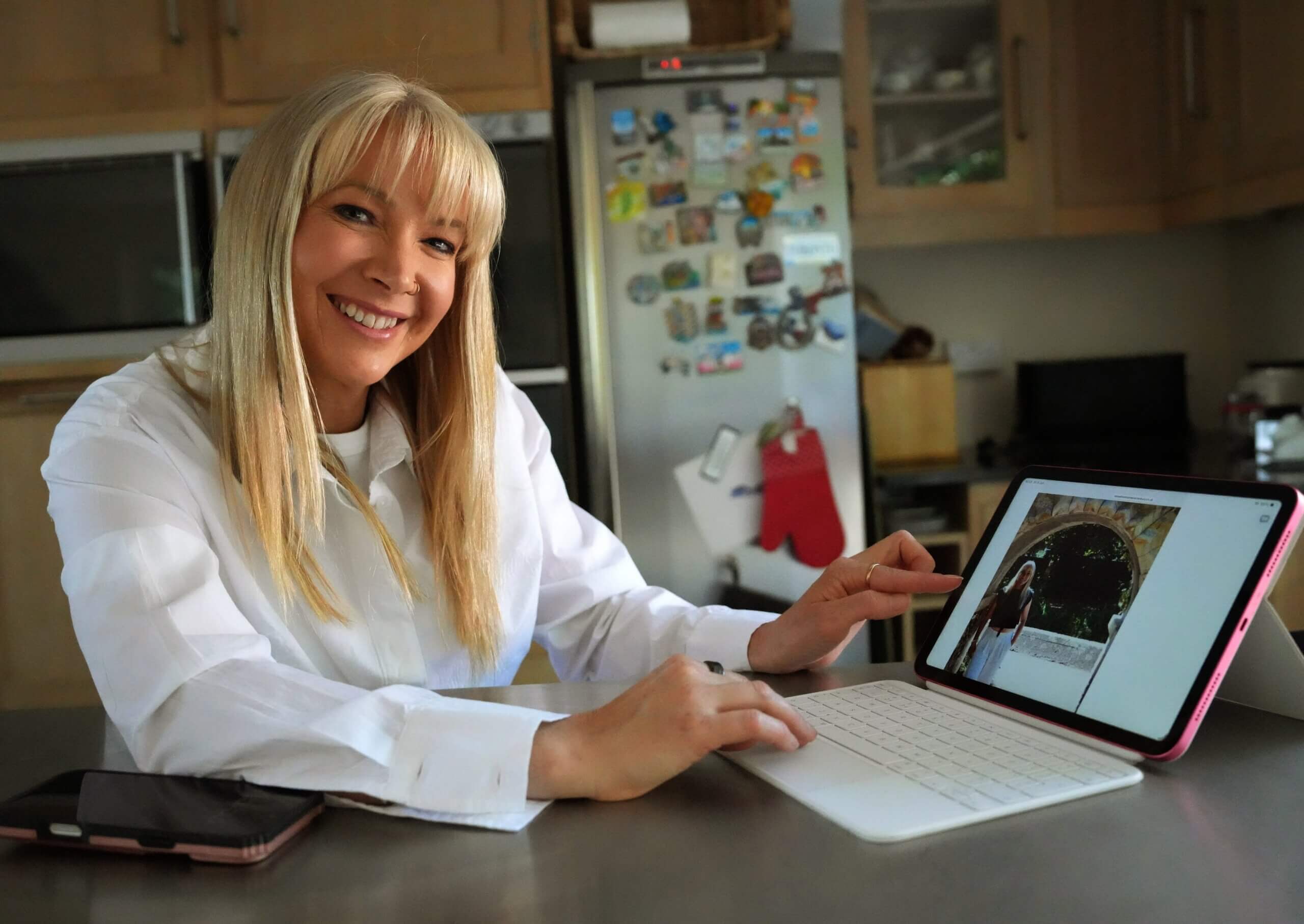
Safeguarding sits underneath everything I do. As an AEGIS Accredited Guardian with NSPCC safeguarding training, I take seriously what it means to create an environment where a young person feels genuinely safe, respected and listened to. Parents wanting to understand the wider standards behind UK boarding school welfare can read the Boarding Schools' Association guidance alongside any guardian's own safeguarding policy.
Policies matter - they're not optional. But safeguarding is also about relationship: a student feeling able to say "I'm struggling," "I'm worried," "Can you help me?" Those sentences only get said once trust has been built, and trust isn't something a policy can manufacture - it's built through consistency, reliability and treating every young person with the dignity they deserve. My full approach is on the Safeguarding page.
My Professional Background
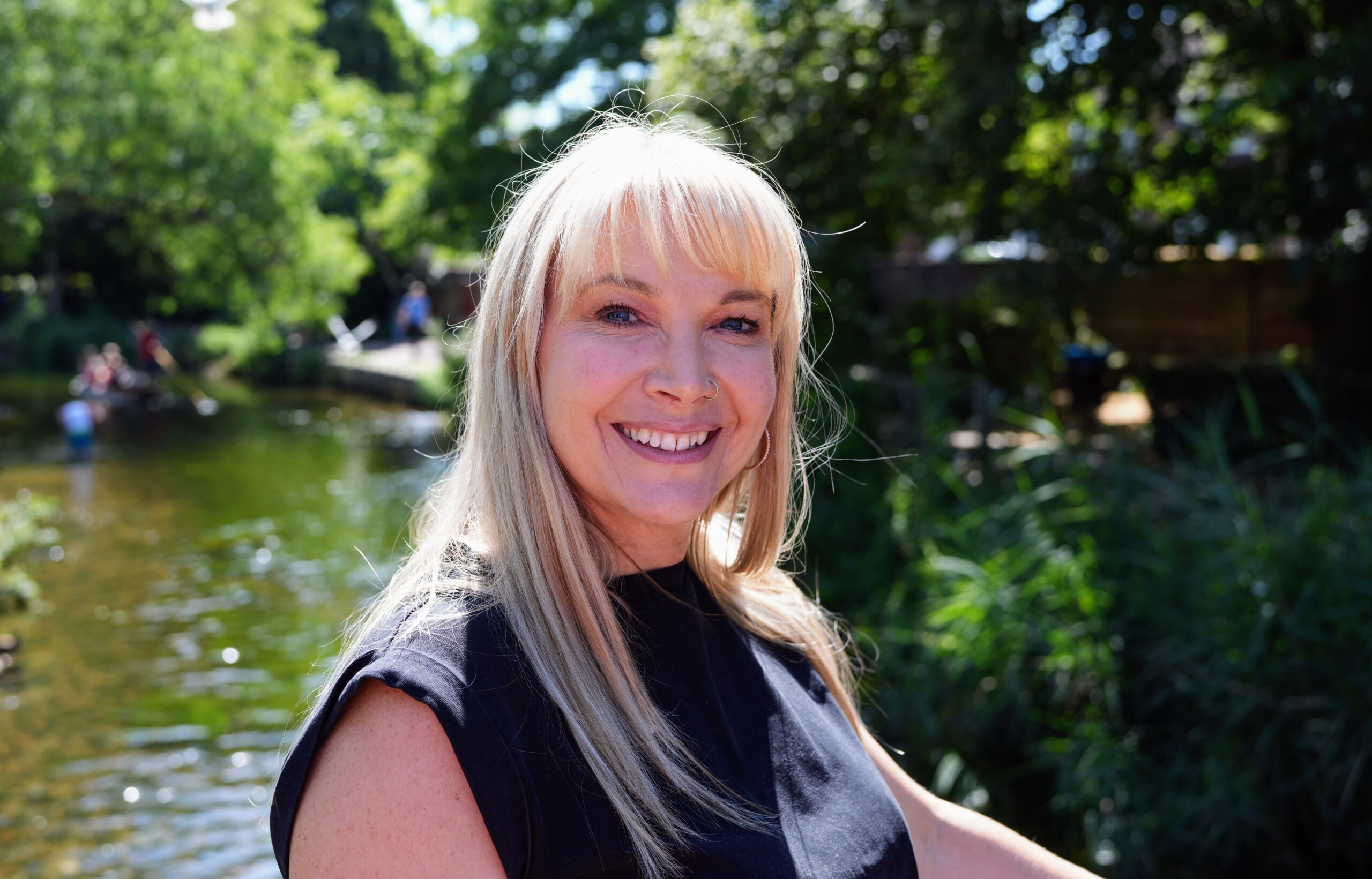
People sometimes ask whether my background as a qualified therapist shapes how I work as a guardian. It does, though not how people expect - my role isn't to provide therapy, and I'm careful never to blur that line, for the sake of both the student and the trust their parents place in me.
What my professional experience has given me is sharper observation, steadier communication, and a clear sense of when something needs raising - noticing changes without overreacting, and recognising when a concern needs to go to someone better placed to help: the school, a parent, or another professional. Every young person deserves to feel heard, and sometimes that starts with nothing more than asking, and waiting for the honest answer: "How are you really doing?"
If This Were My Own Child
If I were choosing a guardian for my own son or daughter, I know exactly the questions I'd ask - not because I expect perfection, but because I'd want to feel completely confident in the person responsible for them: who actually answers the phone if my child needs help, will they already know the person collecting them, how often will I hear from them, and will my child feel like part of a home rather than somewhere they're staying?
These questions matter to me far more than a polished brochure, because underneath every guardianship arrangement is one question that decides everything else:
Would I trust this person with my own child?
That's the standard I hold myself to, every single day, not just the difficult ones.

Frequently Asked Questions
Discover answers to some of the most frequently asked questions about our homestay and guardianship services. We are committed to providing clarity and support to both students and parents.
What does a UK boarding school guardian actually do?
A trusted local point of contact for an international student — available for emergencies, collecting students when needed, and bridging communication between school, student and parents overseas.
Do I need a local guardian, or can guardianship be managed from a national office?
Many schools require a UK-based guardian for visa and welfare requirements. National organisations can fulfil this, but a local guardian in Canterbury genuinely knows the area, the schools and the student, rather than coordinating support from a distance.
What is AEGIS accreditation, and why does it matter?
AEGIS (the Association for the Education and Guardianship of International Students) is the UK's recognised accreditation body for guardians. An AEGIS Accredited Guardian gives parents confidence that recognised safeguarding standards are genuinely being met, not just claimed.
How quickly can a guardian respond in an emergency?
This depends entirely on location. As a local guardian in Canterbury, I'm typically able to respond within 20–35 minutes, because I'm not coordinating someone else to attend on my behalf.
What's the difference between homestay and guardianship?
Homestay means a student lives with a host family, sharing day-to-day family life. Guardianship is broader — the student's official UK contact, liaising with the school and available for emergencies and welfare. The two are often combined, but aren't always the same arrangement.
Is a guardian the same as a therapist or counsellor?
No. A guardian provides local, practical and emotional support and stays alert to signs a student may need extra help, but isn't a substitute for professional therapeutic support — a good guardian works alongside the school, and where appropriate, parents and other professionals.
Your content goes here. Edit or remove this text inline or in the module Content settings. You can also style every aspect of this content in the module Design settings and even apply custom CSS to this text in the module Advanced settings.
A Final Word
Choosing a guardian is rarely just a logistical decision. It's an emotional one - a question of who you trust to be there when you physically can't be.
You won't remember the brochure. You'll remember whether they showed up.
If you're searching for a local guardian in Canterbury, a homestay placement, or simply want to talk through what guardianship could look like for your family, I'd genuinely love to hear from you. Every family's situation is different, and I'm always happy to have an honest conversation first.
Get in touch today - or, if you'd rather read more first, take a look at my Guardianship Services and FAQ pages (internal links). Wherever you are in this process, I'm here to help you feel confident in the choice you make for your child.
Find Your Home in Canterbury
Becky Stone
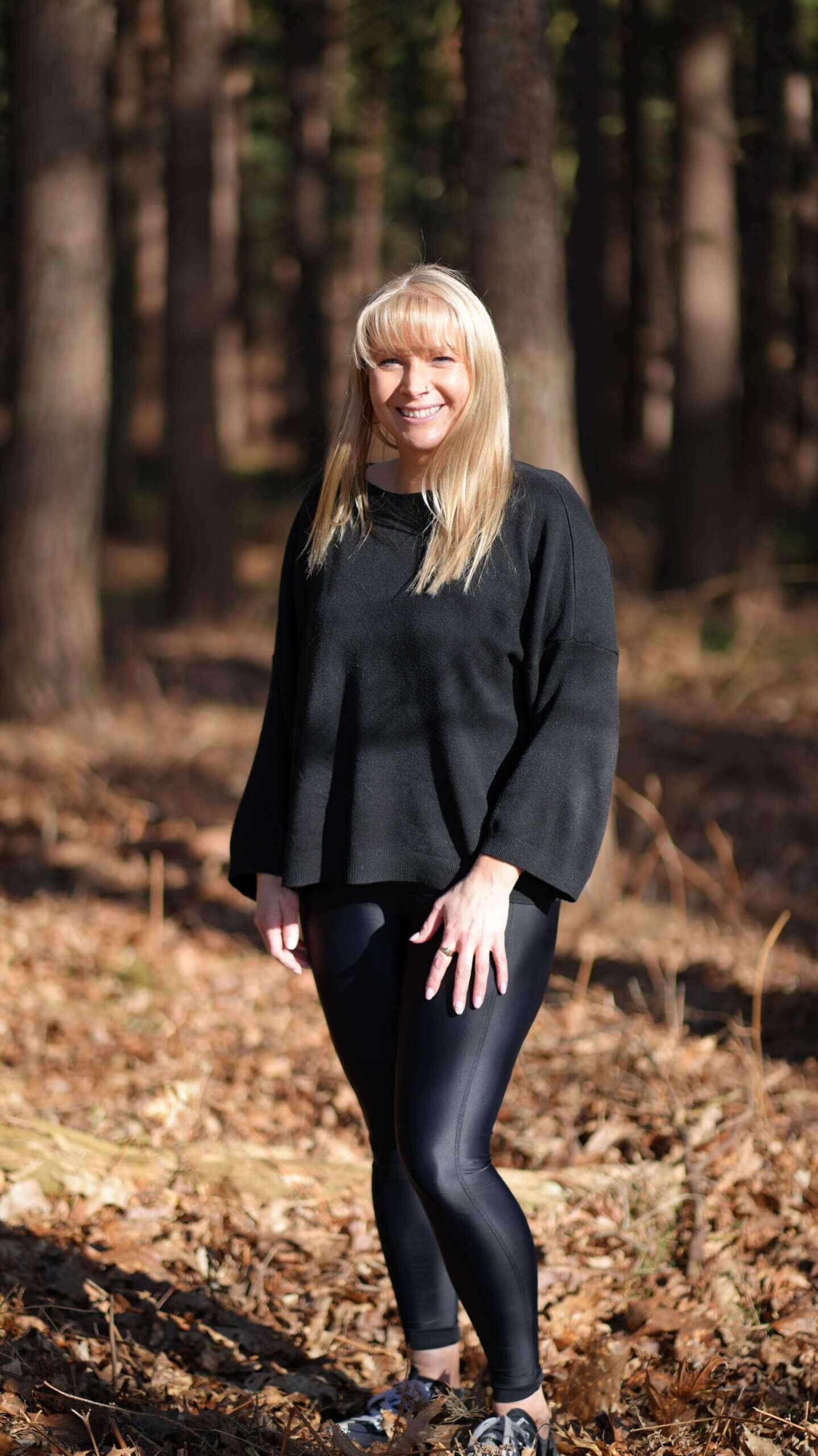
Becky Stone is the founder of Home From Home Canterbury and an AEGIS Accredited Guardian supporting international students at UK boarding schools. She has lived in Canterbury for most of her life, raising her own family in the city she now helps other families' children call home.
Alongside her guardianship work, Becky holds a professional background as a qualified therapist and NSPCC safeguarding training, giving her a sharp eye for the small changes that matter and a steady, honest approach to communicating with parents and schools alike.
She believes guardianship is about presence, not paperwork - being the person who genuinely knows a child, and who shows up when it counts. When she's not collecting a student from school or catching up with a family overseas, you'll usually find her somewhere in Canterbury she's walked a thousand times before.