
How Do I Check If a UK Guardianship Provider Is Properly Safeguarding Compliant?
Choosing a guardianship provider is one of the biggest decisions a parent can make.
You’re not simply choosing an organisation. You’re choosing the people who may be responsible for supporting your child when they are studying away from home.
Most parents begin by looking at websites, reading testimonials and comparing services. While that’s a sensible starting point, I’ve learned through both my professional background and personal experience that appearances can sometimes be misleading.
My advice is simple:
Don’t rush the process. Trust your gut instinct.

Take Your Time
Why This Matters
As a qualified counsellor, I’ve spent years working with people and understanding how communication, behaviour and trust influence decision-making.
One lesson I’ve learned repeatedly is this:
People can talk the talk, but where is the evidence?
A professional website, reassuring language and impressive promises don’t automatically mean an organisation has robust safeguarding systems in place.
What matters is whether their claims can be verified.

Rebecca Stone
Rebecca Stone is the founder of Home from Home Canterbury and a qualified therapist. With a passion for creating nurturing environments, Rebecca has dedicated her career to ensuring international students feel safe and supported. Her personal experience with inconsistent communication during a previous placement led her to establish a service that prioritizes transparency and safeguarding.
“Trust Your Instincts”
Essential Checks for Parents
Verify Credentials and Memberships
Assess Communication and Responsiveness
Evaluate Online Presence and Engagement
Review Safeguarding Policies
Check Accreditation Status
Schedule a Personal Meeting
Examine Social Media Activity
Ensure Transparent Communication
Investigate Homestay Arrangements
Confirm Safer Recruitment Practices
Understand Monitoring Procedures
Inspect Documentation Thoroughly
Look for Evidence of Active Engagement
Inquire About Training and Certifications
Discuss Ongoing Support and Monitoring
Explore Feedback from Other Parents
Consider the Emotional Environment
Ask About Emergency Procedures

The Experience That Changed My Perspective
Before creating Home from Home Canterbury, I found myself involved in a situation where a student was staying with me through another arrangement.
Something didn’t feel right.
Communication felt confusing.
Information appeared to change.
Conversations didn’t seem to match previous discussions.
The more I reflected on the situation, the more uncomfortable I became.
Rather than ignoring that feeling, I went back through emails and messages and reviewed what had actually been said.
I then began checking the organisation’s policies, procedures and accreditation claims.
What I discovered reinforced something important:
If something feels wrong, it is worth investigating further.
That experience became one of the reasons I became passionate about creating a service built around transparency, safeguarding and accountability.
My Commitment to Safeguarding
Safeguarding is at the heart of Home from Home Canterbury. I believe parents should be able to verify training, qualifications and compliance rather than relying on promises alone.
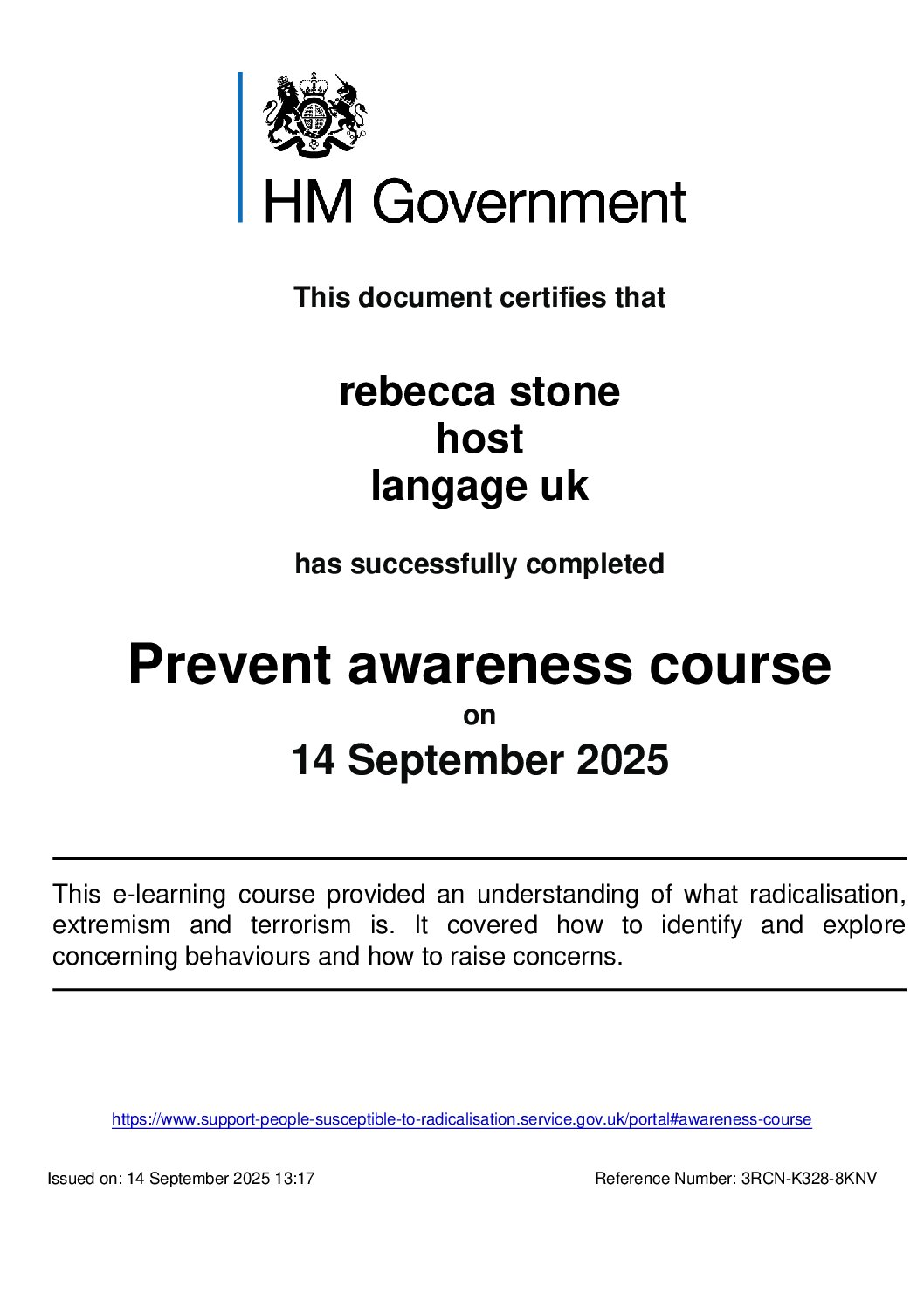
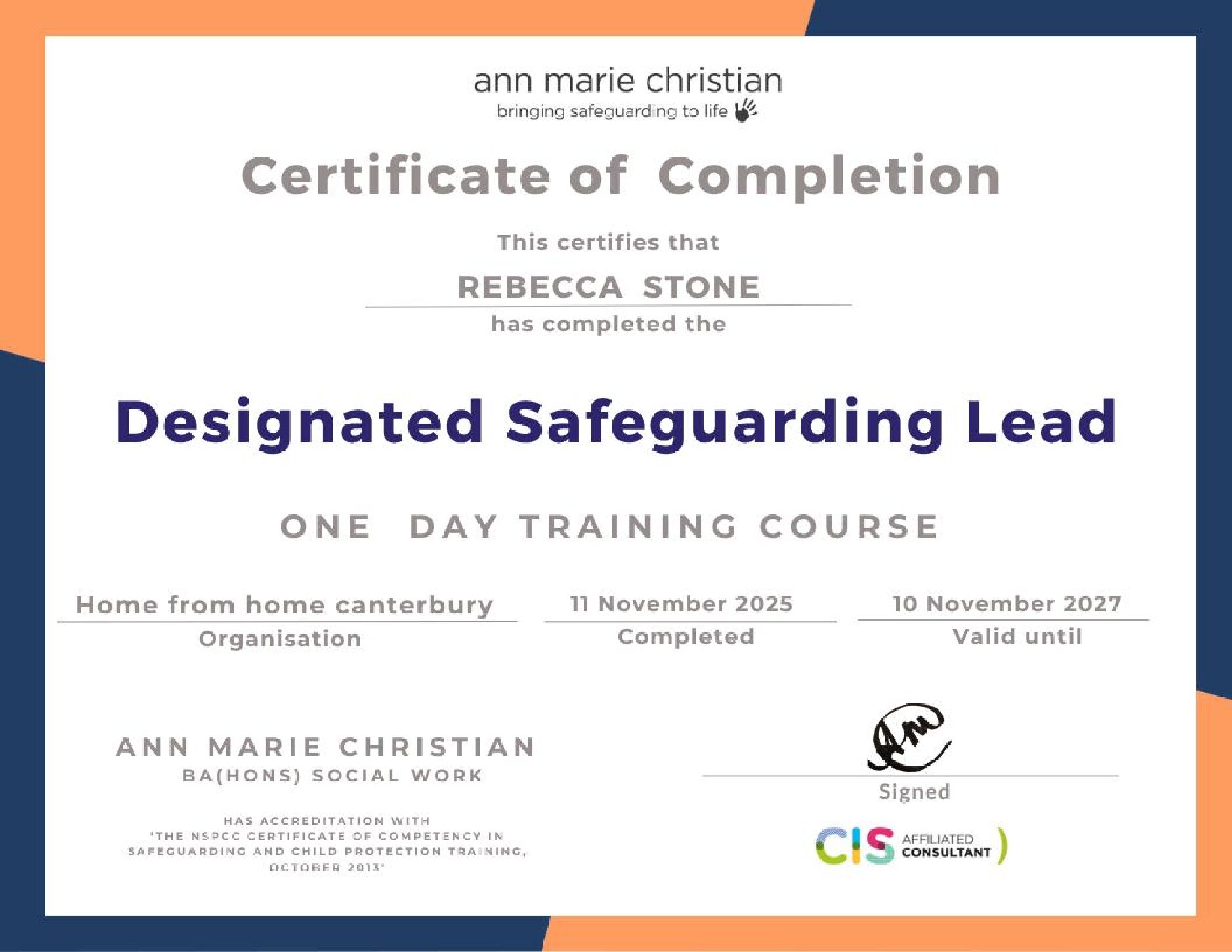
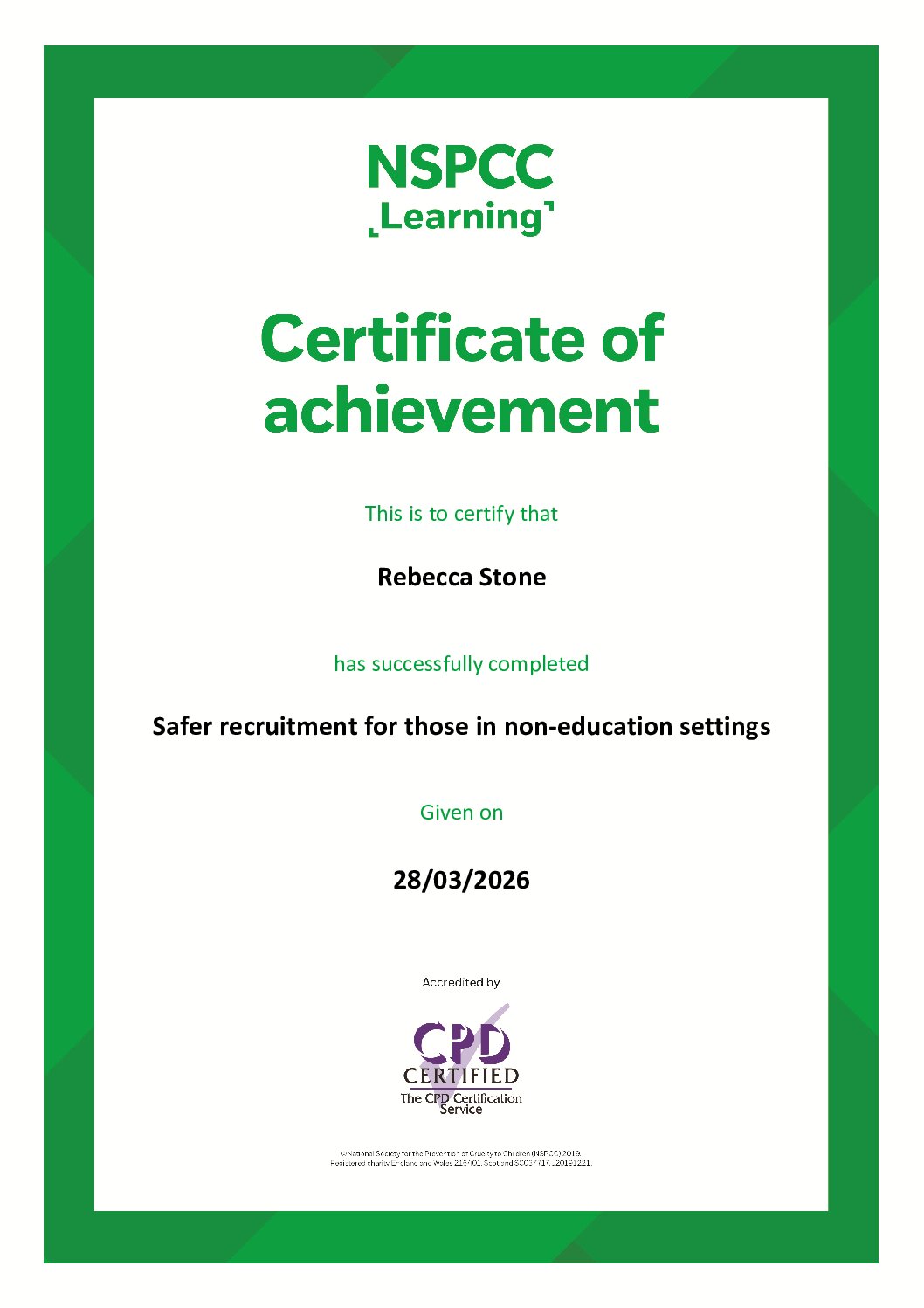
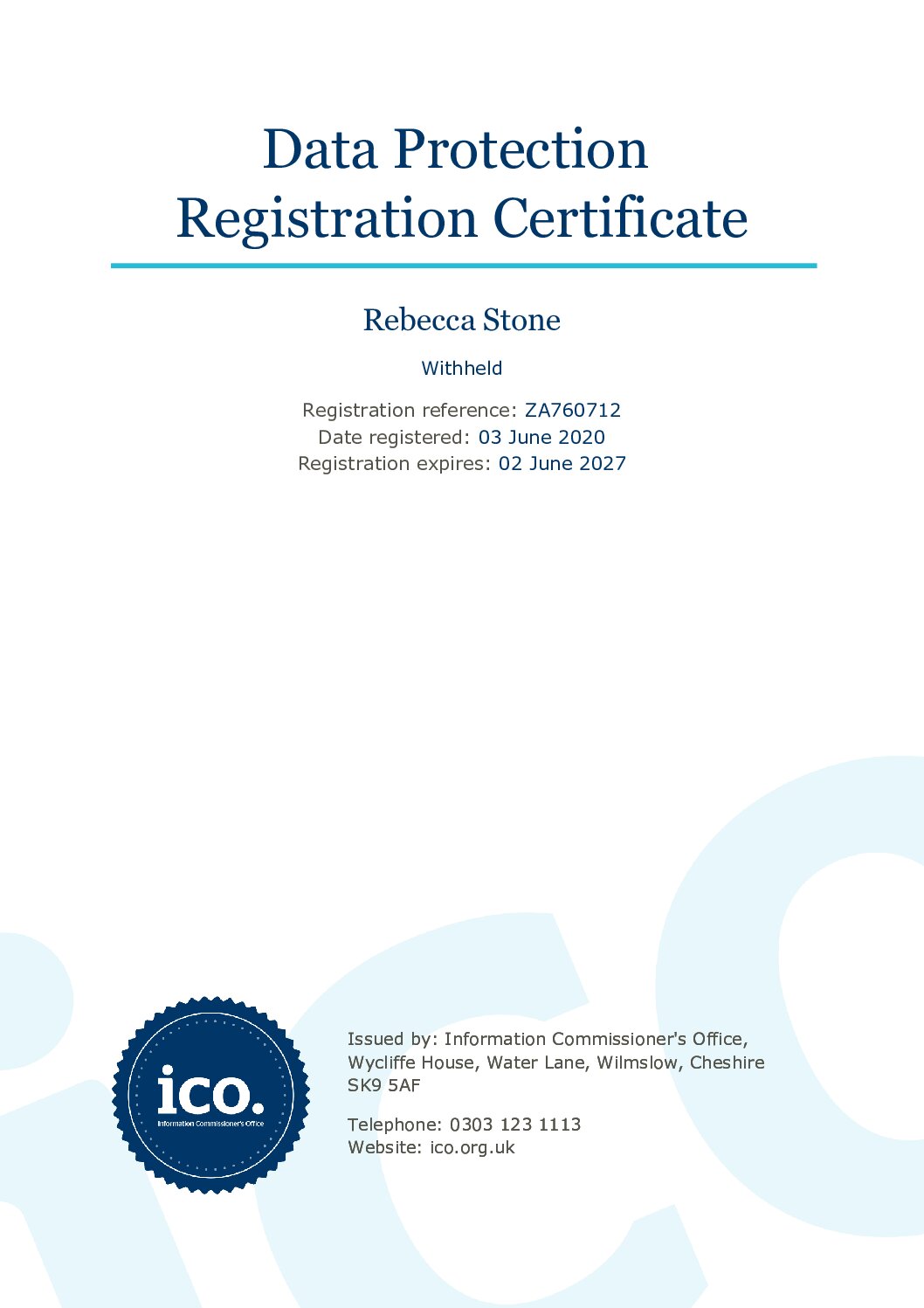
Current Safeguarding Status
Three Checks Every Parent Should Make
2. Arrange a Proper Conversation
Before making any decision, schedule a Zoom call.
Not a rushed phone call.
Not a quick exchange of emails.
A proper conversation.
Ask questions.
Observe how they respond.
Do they seem organised?
Do they answer clearly?
Do they make time for you?
Safeguarding relies heavily on communication. If communication feels rushed or disorganised during the enquiry stage, it is reasonable to ask how they would handle a student welfare issue.
2. Arrange a Proper Conversation
Before making any decision, schedule a Zoom call.
Not a rushed phone call.
Not a quick exchange of emails.
A proper conversation.
Ask questions.
Observe how they respond.
Do they seem organised?
Do they answer clearly?
Do they make time for you?
Safeguarding relies heavily on communication. If communication feels rushed or disorganised during the enquiry stage, it is reasonable to ask how they would handle a student welfare issue.
3. Look Beyond the Website
Look for evidence that the organisation is genuinely active.
Do they have an online presence?
Do they share updates?
Do they communicate regularly?
Can you get a sense of who is actually behind the business?
Parents are trusting organisations with something incredibly important. It is perfectly reasonable to expect transparency.
Final Advice for Parents
What Good Safeguarding Looks Like
For me, safeguarding is not simply having policies.
It’s making sure those policies are followed.
It’s ensuring recruitment procedures are robust.
It’s checking homestays thoroughly.
It’s maintaining records correctly.
It’s keeping training up to date.
It’s creating systems that parents can understand and access when they need them.
Good safeguarding should never rely on trust alone.
It should be supported by evidence.

Transparency Matters
One thing I strongly believe is that organisations should be honest about where they are in their journey.
At the time of writing, Home from Home Canterbury has submitted its safeguarding policies, procedures and supporting documentation as part of the accreditation process.
The application is currently under review.
Rather than making claims that cannot yet be independently verified, I believe it is important to wait until the process has been formally completed before displaying accreditation status.
When accreditation is confirmed, I will update this article and provide direct verification links.
Trust shouldn’t rely on promises alone. It should be supported by evidence, transparency and accountability.
My Professional Approach
My background as a counsellor has taught me something valuable.
Trust isn't built through persuasion.
Trust is built through consistency.
It is built through actions matching words.
It is built through transparency.
And it is built through creating systems that allow people to verify information for themselves.
That philosophy sits at the heart of Home from Home Canterbury.


Becky Stone
Final Thoughts
Parents often ask me what the most important thing is when choosing a guardianship provider.
My answer is always the same.
Gather information.
Ask questions.
Take your time.
Sleep on the decision.
And above all:
Don't rush the process. Trust your gut instinct.
Founder of Home From Home Canterbury