
What Does an Educational Guardian Actually Do?
Qualified Therapist · Designated Safeguarding Lead (DSL) Trained · AEGIS Accredited
An educational guardian is a UK-based adult who supports an international or boarding student when their parents can't be there in person: liaising with the school, arranging emergency care, and noticing early signs that a young person is struggling. At Home From Home Canterbury, guardianship means building genuine relationships and safeguarding judgement, not simply completing paperwork.
Home From Home Canterbury began with my very first experience of hosting, before I had any of the accreditation, policies or procedures I now have in place. I came to it from years spent working as a therapist, and that background shaped how I approached it from day one: paying close attention, listening carefully, and learning fast how much genuine structure and safeguarding matters, not just how it looks on paper.
Parents ask me a version of the same question, in different words, almost every time we speak for the first time: what does an educational guardian actually do? It's a fair question. On paper, guardianship can look like a checklist: a form to sign, a box to tick for the school's admissions requirements. In practice, it's almost nothing like that. So I want to answer it properly, from behind the scenes, rather than just listing services.
Welcome to Home From Home Canterbury
What Does an Educational Guardian Actually Do?
Looking for personalised guardianship support in Canterbury? Learn more about our International Student Guardianship Service and how we support students, parents, and schools throughout the academic year.
An educational guardian is the UK-based adult a school and a family both rely on when a young person's parents live overseas. Practically, that means being the point of contact for the school, being available if something goes wrong, attending meetings depending on the guardianship package, and, most importantly, knowing the child well enough to notice when something isn't quite right, long before it becomes a crisis.
The Worry Underneath the Question
Underneath the practical question, there's usually a harder one parents don't always say out loud: will someone actually notice if something's wrong with my child, or will they just be a name on a file?
I understand why that worry exists. Many parents come to guardianship assuming it's simply a tick-box exercise: something the school's admissions office needs, nothing more. I don't think that's a criticism of parents; it's usually because nobody has ever properly explained what the role involves. So it gets treated as paperwork, when really it's a relationship.
Parents in this position aren't just arranging logistics for a child moving abroad. They're grieving, in a quiet way. They're trusting somebody they may have only spoken to a handful of times with the most important thing in their life. They're wondering, honestly, whether their child will really be okay on the other side of the world. That takes courage. It deserves more than a form.
"Guardianship isn't a paperwork exercise. It's having somebody nearby who genuinely cares about your child."
How Home From Home Canterbury Helps
My background is as a qualified therapist, and that shapes how I approach guardianship more than anything else. It means I don't go looking for feelings questions first. A lot of young people find those harder to answer than a parent might expect. Sometimes a thinking question feels much safer. It means I pay close attention to what isn't being said: eye contact, body language, a young person insisting "I'm fine" when everything else about them says otherwise.
It also means that when something needs a decision, I don't make a knee-jerk one. I become curious before I make assumptions. I gather information, look for patterns, and speak to the school, to parents, and to safeguarding staff where appropriate before deciding what support might actually help, whether that's additional pastoral support, learning support, or simply more time.
That approach comes directly from my very first experience of hosting, long before Home From Home Canterbury existed or I held any accreditation. I learned quickly how much proper information, structure and safeguarding actually matters, not because a policy told me so, but because I felt the gap when it wasn't there. That's exactly why safeguarding has to come before anything else, including a booking or a convenient arrangement. It's not just a policy on a page. It's a judgement call I now know how to make properly, because of how I learned it.
"I don't make knee-jerk reactions. I become curious before I make assumptions."
Already have a question about your own situation? I'm happy to answer it directly.

Why It Matters Long-Term
Guardianship done properly isn't a single decision. It's built slowly, over months, through ordinary moments rather than big ones. Every child communicates differently, and trust doesn't arrive on day one just because a contract has been signed. Some of the most useful conversations I have with young people happen while walking somewhere, making a drink, or simply sharing space quietly, never because I've sat someone down and asked them to talk before they're ready. Forcing that usually closes a young person down rather than opening them up.
Young people often communicate through behaviour long before they do through words: becoming quieter, more withdrawn, more irritable, or repeating "I'm fine" a little too often. Noticing those small shifts early, before they become bigger ones, is the entire point of building Home From Home Canterbury around quality of care rather than size. I know every young person I support personally. They are never simply another name on a list, and that's a deliberate choice: every young person I take on is genuinely known, not managed as a caseload.
Every child deserves to be seen as an individual, not a number, and to be treated the way I'd want my own child treated if the situation were reversed.

Questions Parents Should Ask (any guardian, not just me)
If you're comparing providers, these are worth asking directly:
- Is the guardian AEGIS accredited, and independently inspected against national standards?
- Roughly how many students does the guardian personally know, versus manage on paper?
- What happens in a genuine emergency, out of hours? Who is actually reachable, and how quickly?
- How, and how often, will the guardian communicate with you as a parent?
- What safeguarding training does the guardian hold, and is a Designated Safeguarding Lead involved?
- How does the guardian get to know your child as an individual, rather than a case file?
- If something doesn't feel right, will the guardian act on it, or wait to be told?
- Can you speak to the guardian directly, by phone or video, before you sign anything?
Myth vs Reality
Myth:
Reality:
Guardianship is just an admin requirement: a box the school needs ticked for the visa or admissions file.
Properly done, guardianship is an ongoing relationship between guardian, school, parent and young person, built on communication and safeguarding judgement that continues for as long as the placement does, not a single form filed once and forgotten.
Frequently Asked Questions
What does an educational guardian actually do, day to day?
An educational guardian is the point of contact for the school and family, available for emergencies, attending meetings where the package includes it, and keeping a close enough relationship with the young person to notice early if something's wrong.
Is educational guardianship a legal requirement in the UK?
Not as a general matter of UK law for every under-18 in the country, but current Home Office rules for the Child Student visa require documented, suitable living and care arrangements for visa holders under 18, usually formalised through a guardian's letter of undertaking, and most boarding schools require this as a condition of admission and visa sponsorship.
What's the difference between a guardian and a homestay provider?
A guardian is the point of contact and decision-maker for the school and family; a homestay provider offers the day-to-day accommodation. At Home From Home Canterbury, both roles work together so the same person understands the whole picture.
How often will the guardian be in contact with parents?
This varies by package, but communication is proactive rather than only reactive: parents shouldn't have to chase for an update to know their child is okay.
What happens in a genuine emergency?
The guardian is the first point of contact, coordinating between school, medical services if needed, and parents, and stepping in immediately rather than waiting for instructions from overseas.
What happens during school holidays and exeats?
This depends on the guardianship package, but arrangements are agreed in advance so a young person always has somewhere to be and someone responsible for them.
How is safeguarding handled?
Safeguarding comes before anything else, including convenience or income. Decisions are made with full information, in consultation with the school, and never on assumption alone.
What makes AEGIS accreditation different from an unaccredited guardian?
AEGIS accreditation means a guardianship organisation has been independently inspected against national welfare and safeguarding standards, rather than simply describing its own standards.
How does Home From Home Canterbury get to know each child personally?
By staying small. Every young person is known individually, not managed as a caseload, which means quieter signs of struggle are far more likely to be noticed early.
How do I know if a guardian is right for my child?
Speak to them directly before signing anything. A guardian who welcomes that conversation, and answers plainly rather than vaguely, is usually a good sign.
Need to Raise a Concern?
Your trust matters to me. If you have a question, concern or feel something hasn’t met your expectations, I encourage you to get in touch. I take all feedback seriously and am committed to resolving concerns fairly, professionally and in line with my complaints procedure.
Local to Canterbury, Built on National Standards
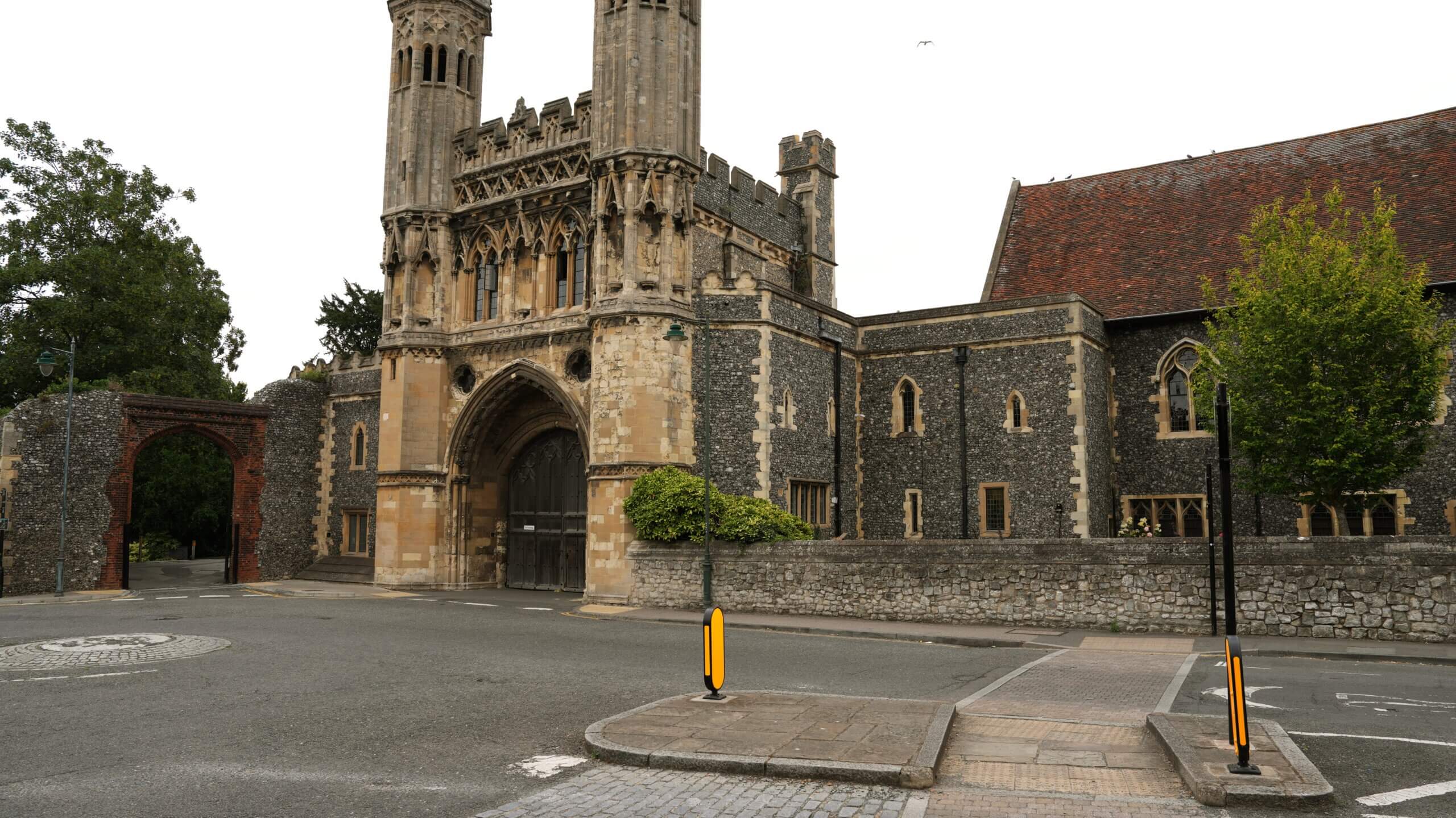
Canterbury is home to several schools that welcome international boarders under 18, among them The King's School Canterbury, St Edmund's School and Kent College Canterbury, with Ashford School and Dover College also within reach across Kent. Many require a UK-based educational guardian as part of their admissions requirements for international students. Being based locally in Canterbury means I can reach a school, or a young person, quickly if something needs attention, rather than coordinating everything from a distance.
Why AEGIS Accreditation Matters
Home From Home Canterbury is AEGIS accredited, confirmed in June 2026: a deliberate commitment to recognised standards of safeguarding, welfare and professionalism, not simply a badge on a website. That accreditation is assessed through AEGIS's inspection process, which includes documentation review, meetings with leadership and physical visits to homestay accommodation, checked against the national standards the Association for the Education and Guardianship of International Students sets for guardianship organisations across the UK, alongside guidance from the Boarding Schools' Association and the Independent Schools Council. Accreditation isn't a marketing badge. It means someone outside the organisation has checked that safeguarding, welfare and communication procedures hold up, not just that they're described well on a website.
AEGIS's own Head of Inspections, reviewing Home From Home Canterbury directly, wrote: "The Director is an experienced counsellor, meaning that they bring a wealth of transferable skills to the business," and confirmed that "Home from Home Canterbury meets the required standards to achieve AEGIS accreditation." That's not marketing copy. It's an independent inspector's own conclusion.
If you'd like to talk through what guardianship would actually look like for your own child (not a sales call, just an honest conversation), I'm happy to have an informal chat. No pressure, no obligation, and you don't need to have every question worked out before you get in touch. I aim to respond as promptly as possible during working hours and around my client commitments.

Meet Becky: Your Host and Guardian
I'm Becky Stone, founder of Home From Home Canterbury: a newly AEGIS accredited educational guardian and homestay provider, a qualified therapist, and Designated Safeguarding Lead (DSL) trained, based in Canterbury, Kent, where I've lived and raised my own family. I started Home From Home Canterbury because I believed there was room for a more personal, relationship-based approach to guardianship, one built on genuinely knowing each young person, not managing a caseload. As sole guardian, I keep vetted emergency cover in place for the rare occasion I'm not personally available, and I've built the business intentionally around quality of care rather than size, so I can know every young person I support personally.
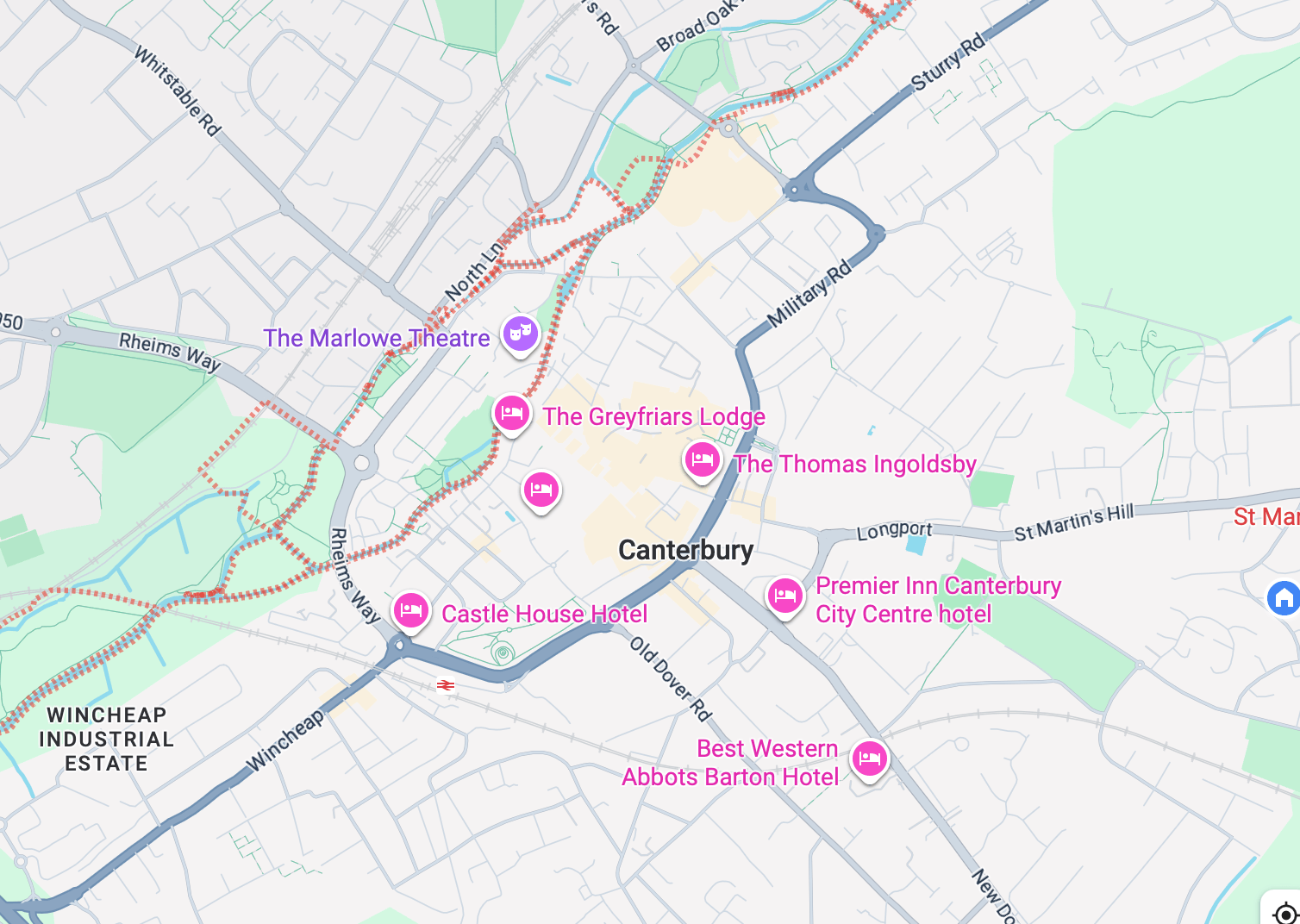
Local, responsive support when students need it most. As a Canterbury-based guardian and host family, I provide personalised care, emergency assistance, school communication and a safe, welcoming home environment for international students and their families.
Discover Our Mission
Home From Home Canterbury provides guardianship and homestay support for international students attending some of Kent’s most respected independent schools, including King’s School Canterbury, St Edmund’s School Canterbury, Kent College Canterbury, Ashford School, Dover College and Dover Priory. Our location offers convenient access to each school, ensuring students benefit from reliable accommodation, pastoral care, emergency support and a trusted local guardian throughout their time in the UK. Whether students require full homestay arrangements, holiday accommodation or ongoing guardianship, we provide a safe, welcoming and supportive home-from-home environment.
Ready to Talk About Your Child’s Stay in Canterbury?
Whether you’re looking for homestay accommodation, guardianship support, or simply want to explore the best options for your child, I’d be happy to help.
Choosing the right support network can make a huge difference to a student’s experience away from home. Book a free discovery call and let’s discuss how Home From Home Canterbury can provide a safe, supportive, and welcoming environment for your child.