
Creating a Home Away From Home
When parents choose a school for their child, most of their attention naturally focuses on term time.
They look at academic standards, pastoral care, facilities, extracurricular opportunities and the overall environment their child will be joining.
What often gets overlooked is a simple but important question:
Personalized Support
Experience tailored care that prioritizes emotional wellbeing and academic success for every student.
Welcoming Environment
Join a community where students are embraced with warmth, understanding, and genuine care.

Nurturing Emotional Wellbeing
Why This Question Matters
Throughout the academic year there are several periods when students may need alternative arrangements outside of school.
These can include:
-
Half-term holidays
-
Christmas holidays
-
Easter holidays
-
Summer holidays
-
Unexpected travel disruptions
For families living overseas, these periods can create uncertainty if plans have not been discussed in advance.
Questions such as:
-
Where will my child stay?
-
Who will be responsible for them?
-
What happens if a flight is delayed?
-
Who do they contact if they need support?
-
How will I know they have arrived safely?
are all perfectly reasonable concerns.
Having clear answers before the holidays arrive can make the experience far less stressful for both students and parents.
Understanding Homesickness
Why This Question Matters
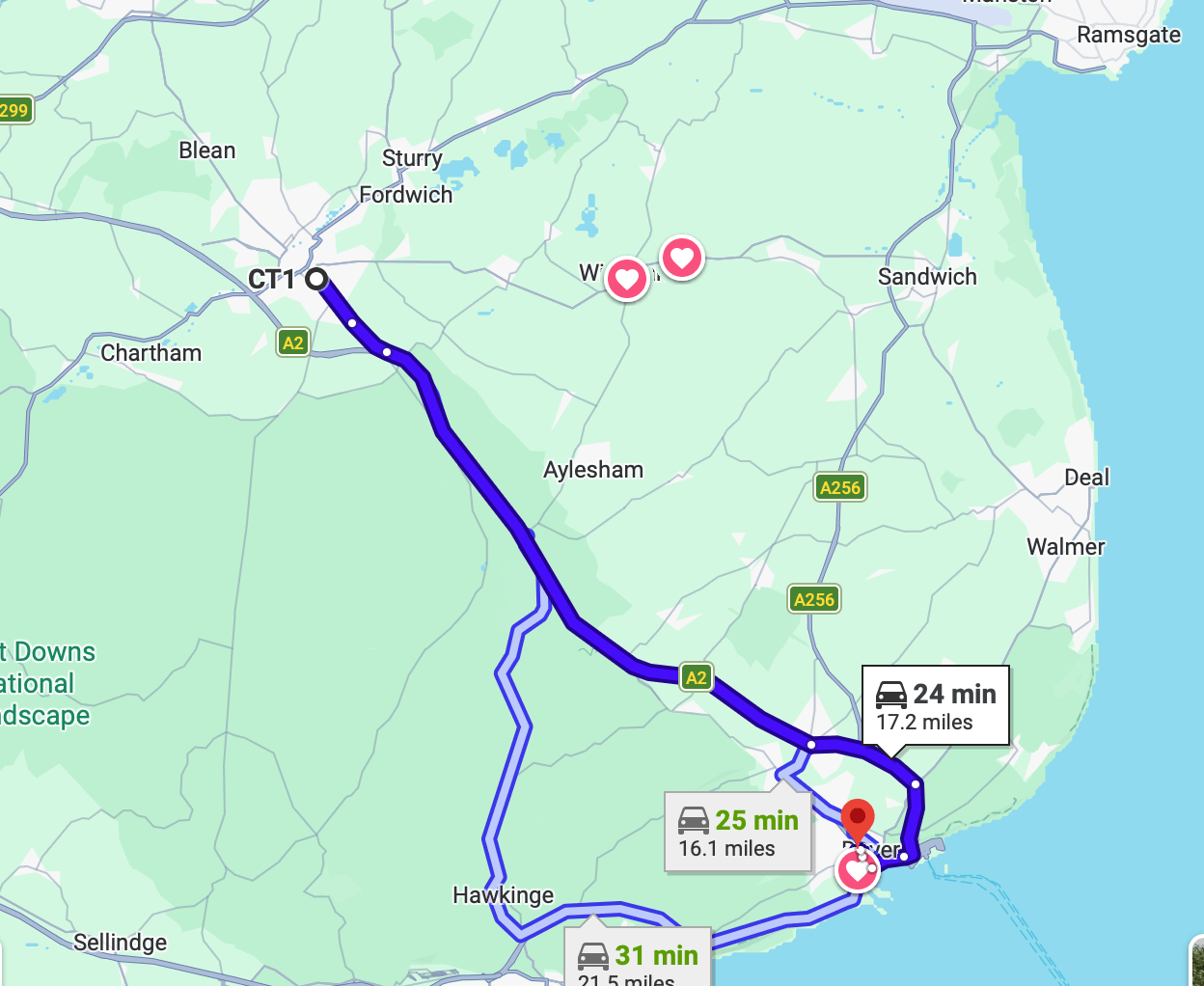
Before discussing school holidays, I’d like to share why Dover Priory College caught my attention when I was building Home From Home Canterbury.
Before launching Home From Home Canterbury, I spent time visiting local schools to better understand the environments international students would be joining.
One of the schools I visited was Dover Priory College.
What stood out to me was not simply the facilities, but the people and the culture.
From my very first contact with the admissions team, communication was welcoming, professional and responsive. I was invited to visit the school, learn more about their approach and gain a better understanding of how they support students.
As I walked around the school, I was struck by how closely their values aligned with my own.
Dover Priory College has built a reputation as a smaller, nurturing school where students are known as individuals rather than simply numbers on a register. There was a genuine focus on relationships, communication and student wellbeing.
As someone building a homestay and guardianship service centred around emotional wellbeing, safeguarding and creating a genuine home-from-home experience, that resonated strongly with me.
It reinforced something I already believe: young people thrive when the adults around them communicate well, work together and genuinely care about their wellbeing.
Choosing the right guardian is about more than meeting requirements. It’s about knowing your child has a trusted adult, clear communication and support whenever they need it.
The Role of Teamwork in Safeguarding
Collaborative Support Systems for Students
A Thought for Parents
When School Closes, Safeguarding Becomes Even More Important
During term time, students benefit from structure and routine.
Teachers see them regularly. Staff are available. There are clear systems in place to support their wellbeing and safety.
School holidays are different.
When routines change, safeguarding becomes even more important.
It’s not simply about knowing where a student is staying. It’s about ensuring there is clear communication between everyone involved and that somebody always knows where that young person is, where they are travelling to and who is supporting them.
In my experience, safeguarding works best when everyone is communicating effectively.
Parents need to know what is happening.
Schools need to know what arrangements are in place.
Host families need the information required to provide support.
Students need to know who they can contact if they need help.
When everyone works together, young people benefit from a strong network of support around them.
The Importance of Small Gestures
The Small Things Matter More Than Most People Realise
When families think about safeguarding, they often think about accommodation, transport arrangements and emergency contacts.
Of course those things matter.
But in my experience, it is often the small things that make the biggest difference.
A quick message asking:
“Did you get off the plane safely?”
“Are you in the taxi?”
“What time do you think you’ll arrive?”
“How are you feeling about travelling on your own?”
These may seem like small details, but they help a young person feel that somebody is looking out for them.
For many international students, travelling alone can feel exciting and overwhelming at the same time.
Some students arrive full of confidence.
Others may be feeling anxious, nervous or uncertain, even if they don’t openly show it.
That is why communication is so important.
Good support is not simply about knowing where a student is. It is about understanding how they are feeling.
Are they coping well?
Are they worried about travelling alone?
Are they struggling with anxiety?
Do they need a little extra reassurance?
Sometimes support can be as simple as knowing their favourite meal after a long journey, checking in after a difficult week or recognising when they need encouragement.
These small moments help students feel seen, understood and valued.

Understanding Emotional Wellbeing
Supporting Emotional Wellbeing
As a therapist, one thing I have learned is that homesickness is not usually about missing a particular place.
More often, it is about missing familiarity.
During term time, students are busy. They have lessons, routines, activities and friends around them.
School holidays can feel very different.
The structure changes.
Friends may travel home.
There is more time to think.
This is often when feelings of homesickness, anxiety or loneliness become more noticeable.
Having trusted adults around who take the time to listen, notice and check in can make an enormous difference.
Young people do not always tell us when they are struggling.
Sometimes they need adults who are paying attention and willing to ask the extra question.
How are you really doing?
That simple question can sometimes open the door to a conversation that a student has been needing for days or even weeks.
Safeguarding Works Best as a Team Effort
One of the reasons I wanted to write this article is because I strongly believe that safeguarding should never rest on one person’s shoulders.
The best support happens when schools, parents, guardians, host families and students work together.
Each person sees a different part of the picture.
Schools understand how students are managing academically and socially.
Parents know their child better than anyone.
Guardians help provide support and oversight when families are overseas.
Host families often notice the small day-to-day details that can easily be missed.
When these pieces come together, young people benefit from a consistent and supportive environment.
For me, safeguarding is not about replacing what a school provides.
It is about working alongside schools such as Dover Priory College to help ensure students feel supported both during term time and throughout the holidays.


Home From Home Canterbury Achieves AEGIS Accreditation
I am delighted to share that Home From Home Canterbury has successfully achieved AEGIS Accreditation.
AEGIS is the UK’s recognised accreditation body for guardianship organisations, providing reassurance to parents, schools and students that safeguarding, welfare and support systems meet rigorous standards.
During the accreditation process, AEGIS recognised my commitment to creating a high-quality, supportive service for international students and highlighted my experience as a counsellor, bringing valuable transferable skills to guardianship and student wellbeing.
The inspection report noted:
“The Director intends to keep student numbers small to enable them to offer a high-quality and supportive service to students and their families.”
AEGIS also recognised the comprehensive support offered through Home From Home Canterbury, including pre-arrival guidance, transport assistance, school liaison, homestay accommodation and ongoing student support.
As a smaller guardianship provider, my focus has always been on building genuine relationships with students, parents and schools, ensuring that every young person feels safe, supported and valued throughout their time in the UK.
If you’re wondering what a guardianship service actually does and why it matters, you can read more here:
Ensure Your Child's Wellbeing During Holidays
Questions Parents Should Ask Before the Holidays
Before the first school holiday arrives, it can be helpful to ask:
- Where will my child stay during school holidays?
- What arrangements are available if travel plans change?
- Who should my child contact if they need support?
- What happens if a flight is delayed or cancelled?
- How will important information be communicated between parents, schools and guardians?
- Who is responsible for supporting my child outside term time?
Having these conversations early helps create clarity and peace of mind for everyone involved.
If your child is studying away from home, school holidays can sometimes bring feelings of homesickness to the surface. I’ve written more about this here
A Final Thought for Parents
Trust and Support in Overseas Education
Sending a child to study overseas is exciting, but it also requires an enormous amount of trust.
Parents place trust in schools.
Schools place trust in guardians and host families.
Students place trust in the adults supporting them.
The strongest support networks are built when everyone works together with the same goal: helping young people feel safe, supported and able to thrive.
Because at the end of the day, young people don’t just need somewhere to stay during the holidays.
They need to know there is a team of people paying attention.

Supporting Students Beyond the Classroom
As a qualified therapist and founder of Home From Home Canterbury, I understand how much trust it takes to send a child overseas to study.
Whether it’s answering a parent’s question, helping a student settle in, or simply checking they arrived safely after a journey, I believe the small things matter.
My goal is to create a safe, supportive home-from-home environment where students feel welcomed, valued and genuinely cared for throughout their time in the UK.