
A Home Away from Home
What Makes a Good Host Family for International Students?
A warm, emotionally supportive home in Canterbury for international students seeking safety, comfort, and belonging while studying in the UK.
Our Philosophy
When parents look for a host family, they often begin by looking at practical things first, the bedroom, the school location, transport links, or the facilities being offered.
But when a young person arrives in a completely new country and walks through the front door for the very first time, those are rarely the things they remember most.
What they remember is how the home made them feel.
Did it feel cold and awkward?
Or did it feel calm, safe, and welcoming?
As both a therapist and a mother, I understand how important emotional safety is for young people living away from home. Over the last 15 years, I have worked with children, teenagers, and families through my work in schools and private practice, supporting emotional wellbeing, safeguarding, and mental health.
That experience has shaped the way I approach hosting international students.
Because creating a good host family environment is not about perfection. It is about helping young people feel emotionally secure, supported, comfortable, and genuinely cared for from the moment they arrive.

Choosing the right host family is only one part of supporting an international student. Understanding the role of guardianship can help parents make informed decisions about their child’s wellbeing and safety while studying in the UK.

The First Few Minutes Matter More Than People Realise
Many students arrive appearing polite and composed on the outside, while internally they may feel overwhelmed.
They are often:
- anxious about fitting in
- nervous about language barriers
- exhausted from travelling
- worried about being judged
- trying hard not to show vulnerability
That is why first impressions matter so much in a host family environment.
Before students even arrive, I like there to already be some familiarity and reassurance. This may include:
- a warm introduction beforehand
- open communication with parents
- helping students know what to expect
- allowing them to feel they already know a little about me before arriving
When students arrive at my home, I will usually come outside to meet them at the taxi, help with their bags, and gently settle them in without overwhelming them.
Sometimes what a young person needs most is not endless conversation.
Sometimes they simply need calmness, reassurance, and a space where they can quietly breathe.
Understanding Non-Verbal Communication
A Good Host Family Should Feel Like a Home
One of the biggest mistakes some host families make is focusing too much on appearances and not enough on emotional comfort.
Young people do not settle because a house looks perfect.
They settle because a home feels emotionally safe.
There is nothing worse than arriving somewhere that feels sterile, silent, uncomfortable, or emotionally cold.
My home is not a clinical environment. It is a real family home where I raised my children and where they still return when they want comfort, familiarity, and connection.
I think young people feel that difference very quickly.
Balancing Care and Structure
The Small Details That Help Students Feel Welcome
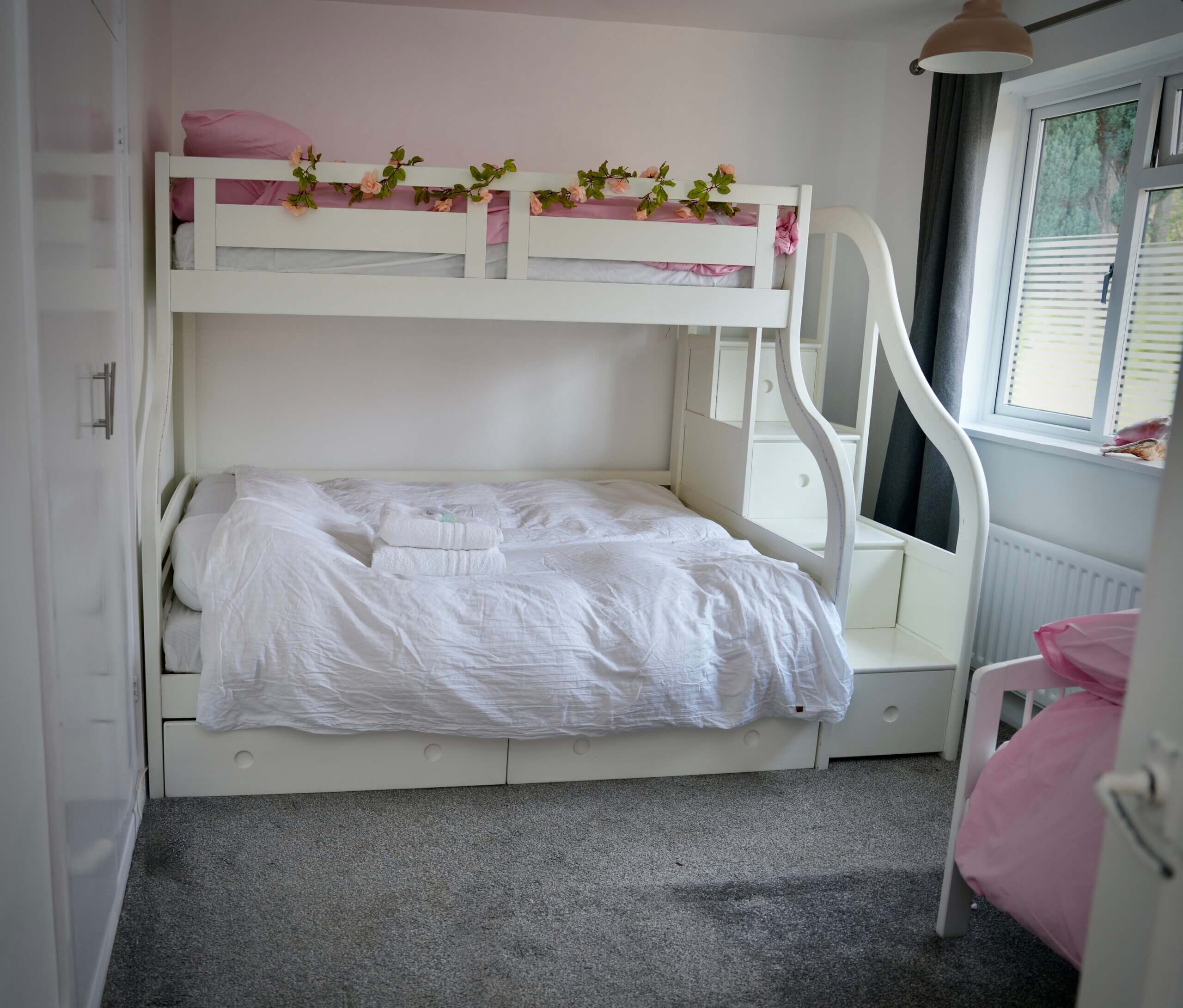
When students arrive at their room, I want them to feel thought about.
There will already be:
- water available
- internet access ready with a QR code
- small essentials prepared
- something light to eat after travelling
- a comfortable and calming environment
Even something as simple as having food available after a long journey can help regulate stress, emotions, and anxiety.
These things may seem small, but when somebody is tired, overwhelmed, or nervous, thoughtful details become incredibly important.
I also believe atmosphere matters.
Warm lighting, background noise, music available through Alexa, or a television quietly on in the background can help a house feel comforting rather than intimidatingly silent.

Recognizing Silent Signals
Emotional Safety Is Often Non-Verbal
As a therapist, I am naturally very aware of body language, emotional shifts, and the subtle signs that somebody may be struggling.
Young people do not always openly say:
“I’m anxious.”
“I’m homesick.”
“I’m overwhelmed.”
Often, you notice it through:
- withdrawal
- silence
- exhaustion
- appetite changes
- masking emotions
- becoming overly polite or quiet
Supporting emotional wellbeing is not only about responding when a student asks for help.
It is also about noticing when they may need support before they feel able to say it themselves.
Creating a Nurturing Environment

A good host family should provide both warmth and structure.
Young people need:
- independence
- privacy
- consistency
- boundaries
- emotional safety
- and a calm, predictable environment
The safest homes are usually the ones where expectations feel clear, supportive, and steady.
As both a mother and therapist, I understand how important this balance is.
Over the years, through safeguarding work, therapy, school settings, and raising my own family, I have seen how much young people flourish when they feel emotionally secure and genuinely accepted.
Not controlled.
Not judged.
Not treated like a tenant.
Simply welcomed.
Creating a supportive homestay environment is about more than providing accommodation. Small moments of reassurance, communication and connection can make a significant difference to a student’s experience while living away from home.
Explore our Pinterest resources for practical guidance, student wellbeing insights and support for international students studying in the UK.
More Than Just Accommodation
For many students, living away from home is one of the biggest emotional transitions they will ever experience.
When a young person feels emotionally safe, confidence begins to grow, anxiety starts to reduce, communication becomes easier, and independence develops more naturally. Over time, they begin to settle not just into the home, but into themselves as well.
That is ultimately what I want students to experience when they stay with me.
Not simply accommodation.
But a home where they can truly exhale.
Looking for a Safe and Supportive Host Family in Canterbury?
If you are searching for a caring, emotionally supportive, and professionally experienced host family for your child, I would be happy to arrange an informal conversation to discuss your needs and answer any questions.
Whether you are a parent, educational guardian, or international student, my goal is to provide a home environment where young people feel welcomed, safe, and genuinely supported throughout their stay.
Book a consultation or get in touch today to learn more about available placements, guardianship support, and student accommodation in Canterbury.